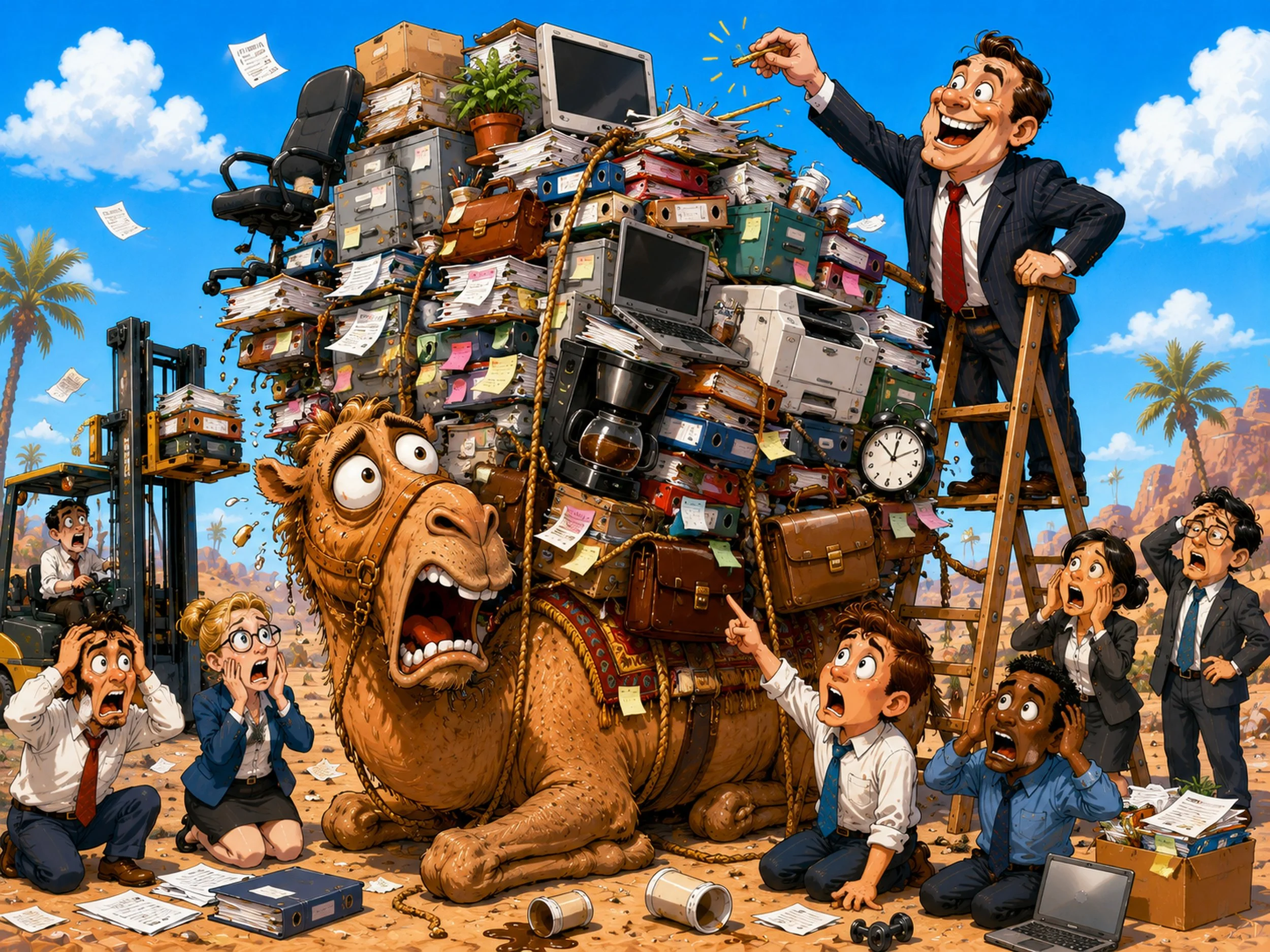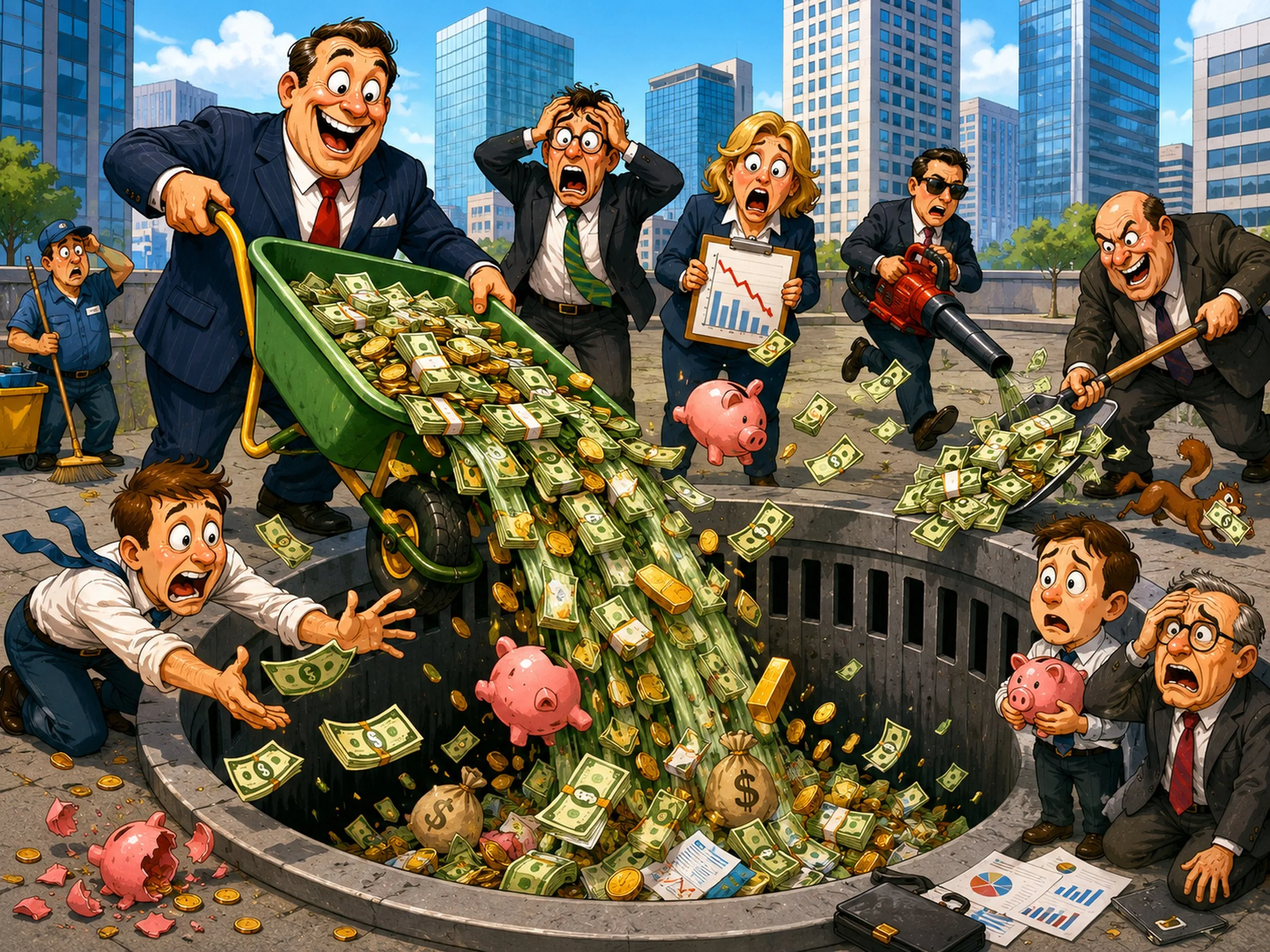
Driven by a complete lack of curiosity and built on questionable intentions, we proudly operate where less-than-bold thinking meets spectacular underachievement.
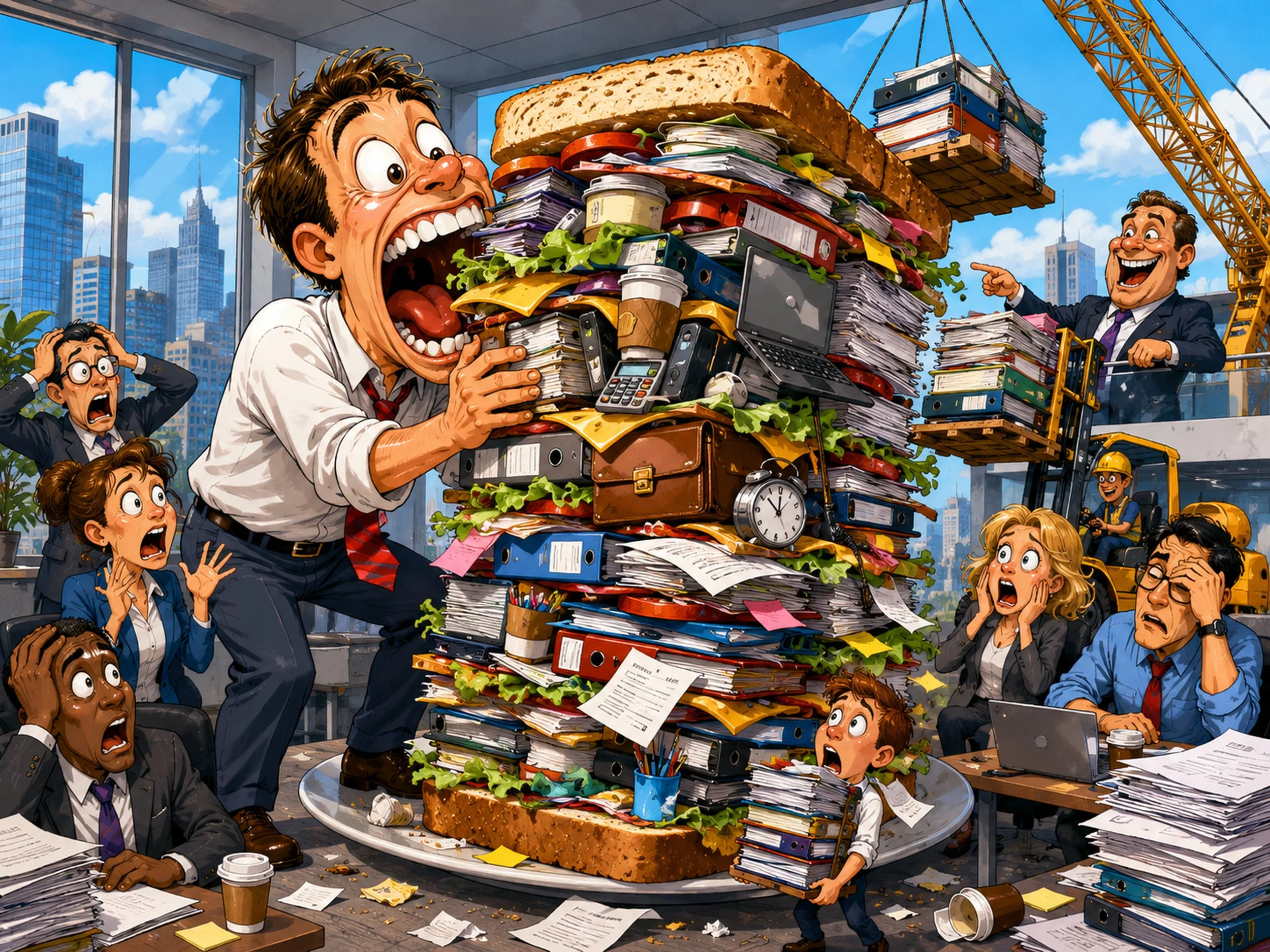
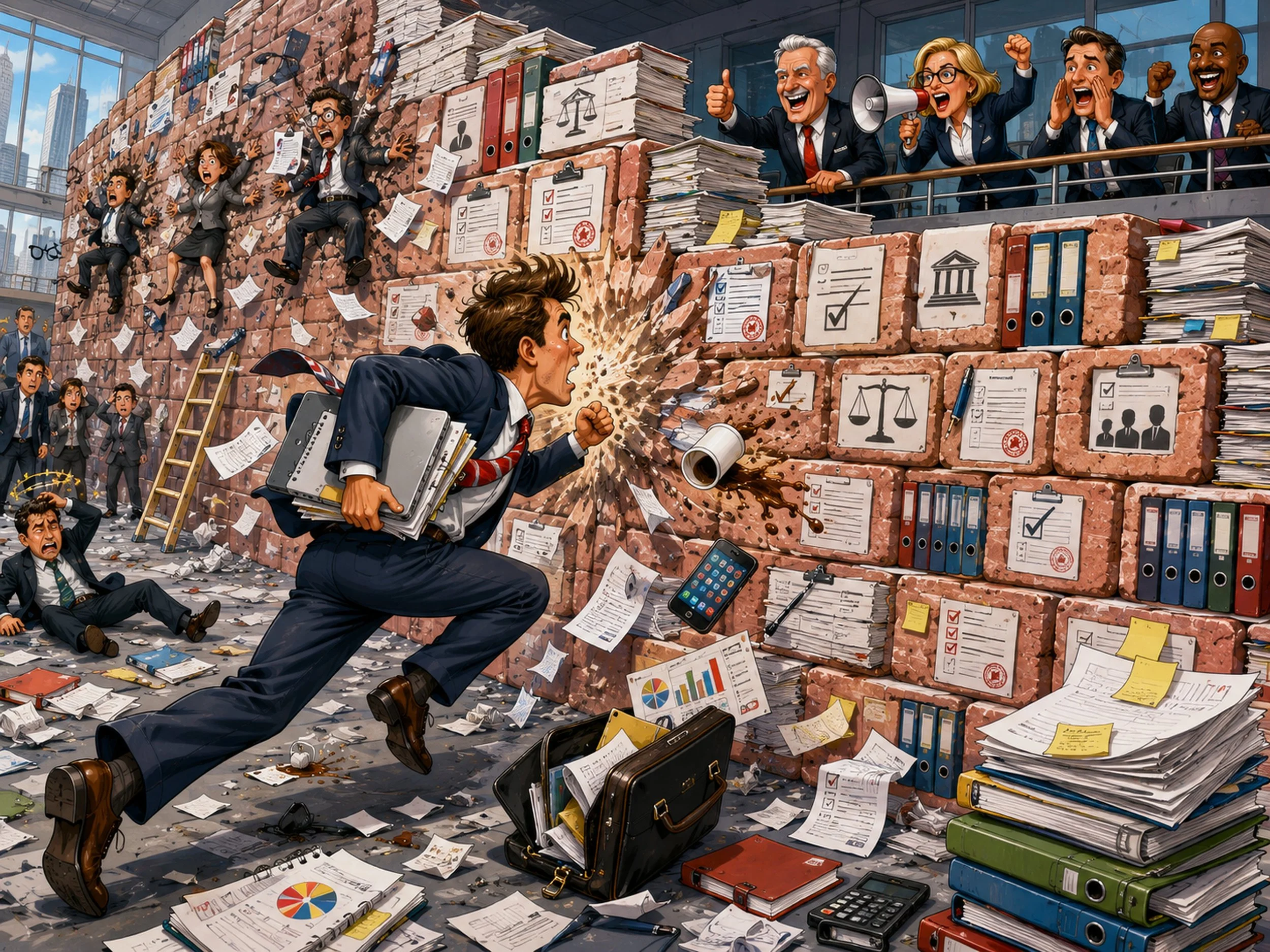
Our mission is simple: take perfectly good idioms and turn them into unnecessarily large graphic files.
With minimal effort, maximum confidence, and only occasional competence, we're here to help you create something wonderfully unimportant.
Let's make something meaningless together.
Life is a strange little parade of misplaced confidence. Every morning, billions of people wake up, stare into glowing rectangles, and pretend they understand what taxes, vitamins, and international shipping fees are. We spend years learning how to walk, then decades sitting in chairs. Somewhere, a person is passionately arguing on the internet about the correct way to cut a sandwich while another person is teaching a squirrel to waterski. We celebrate being one year older as if we personally accomplished the Earth's orbit around the sun. Entire industries exist because nobody can remember a password. At any given moment, someone is paying money to run in circles for exercise while someone else is paying money to avoid walking thirty feet. We call hot dogs sandwiches, tomatoes vegetables, and meetings productive. Humans built machines capable of communicating across the globe instantly and mostly use them to send pictures of lunch. The moon faithfully circles the Earth. The Earth faithfully circles the sun. Meanwhile, Dave from accounting forgot why he walked into the kitchen. Life is not a carefully written masterpiece. It is a goose wearing a necktie, confidently directing traffic despite having no qualifications whatsoever. And somehow, against all odds, it keeps working.
Life is a strange little parade of misplaced confidence. Every morning, billions of people wake up, stare into glowing rectangles, and pretend they understand what taxes, vitamins, and international shipping fees are. We spend years learning how to walk, then decades sitting in chairs. Somewhere, a person is passionately arguing on the internet about the correct way to cut a sandwich while another person is teaching a squirrel to waterski. We celebrate being one year older as if we personally accomplished the Earth's orbit around the sun. Entire industries exist because nobody can remember a password. At any given moment, someone is paying money to run in circles for exercise while someone else is paying money to avoid walking thirty feet. We call hot dogs sandwiches, tomatoes vegetables, and meetings productive. Humans built machines capable of communicating across the globe instantly and mostly use them to send pictures of lunch. The moon faithfully circles the Earth. The Earth faithfully circles the sun. Meanwhile, Dave from accounting forgot why he walked into the kitchen. Life is not a carefully written masterpiece. It is a goose wearing a necktie, confidently directing traffic despite having no qualifications whatsoever. And somehow, against all odds, it keeps working.
Idioms are the reason English learners think native speakers have lost their minds. We spill beans without making a mess, hold horses we don't own, and let cats out of bags we never put them in. Somehow everyone understands anyway.

The history is actually more interesting than most people realize because the idea is much older than the English phrase itself.
Before English: Ancient Roots
The concept appears in ancient literature long before the English proverb (idiom) existed.
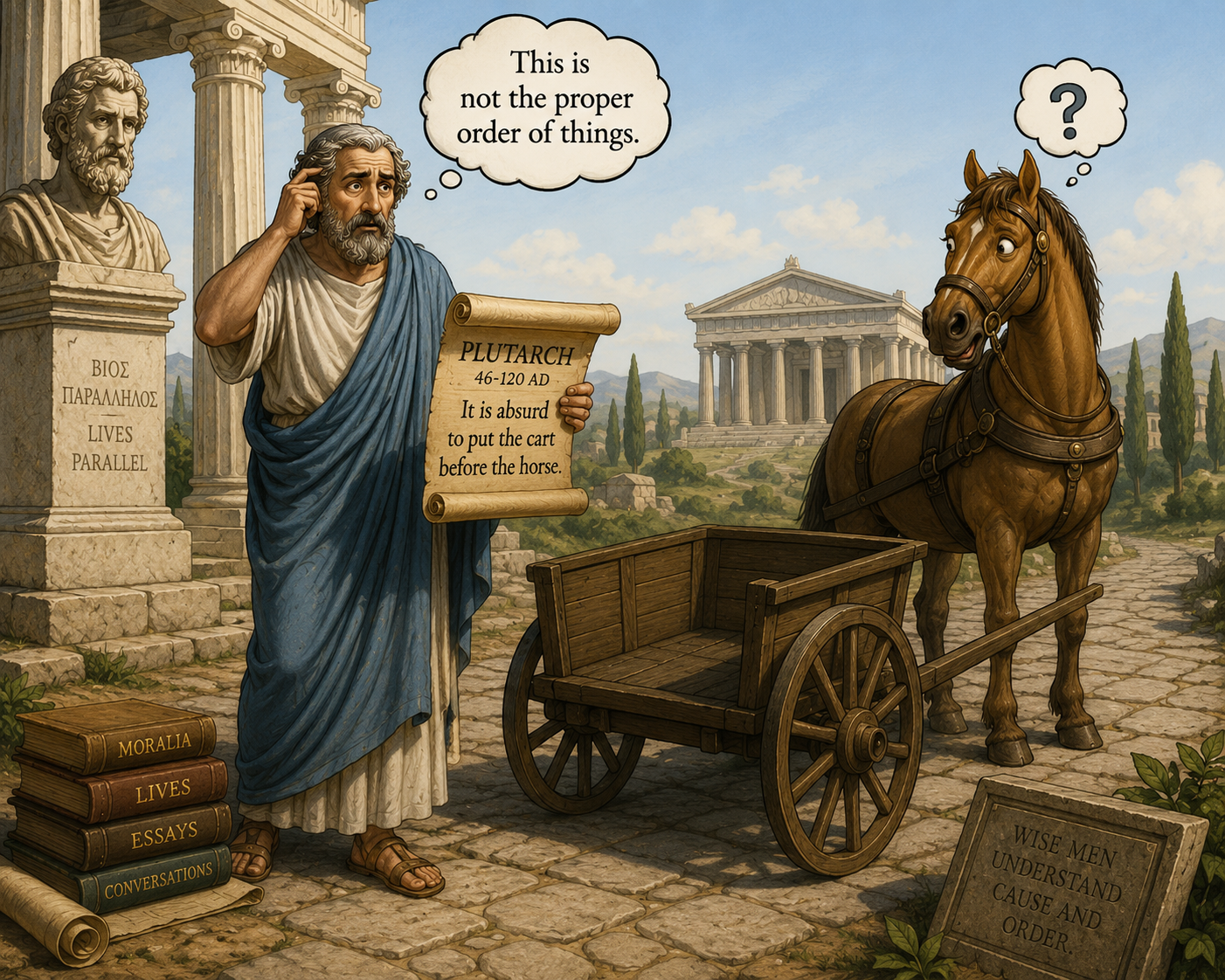
One of the earliest known references comes from the ancient Greeks. The philosopher and biographer Plutarch (around 46–120 AD) wrote about situations where people reversed the natural order of things, using the image of putting the cart before the horse as an example of absurdity.
The Romans also understood the metaphor. In an agricultural society, everyone knew immediately why it was ridiculous:
Horse first
Cart second
Reverse them and nothing moves.
Because carts and horses were part of everyday life, the image became a universal symbol for doing things backwards.

What Are Idioms?
Idioms are the English language's way of collectively deciding:
"You know what would make communication easier?
Saying something completely different from what we actually mean."
-

Burning the Candle at Both Ends
The phrase dates back to at least the 17th century, when candles were a primary source of light.
A candle is designed to burn from one end. If you light both ends simultaneously, it burns much faster, producing more light for a short period but dramatically shortening its lifespan.
The metaphor is obvious:
Candle = your life, energy, time, or resources
Burning both ends = using up energy at an unsustainable rate
Result = a brief period of intense productivity followed by exhaustion
-

Elephant in the Room
Meaning:
A huge, obvious problem that everyone sees but nobody wants to talk about.It's basically a group of people pretending not to notice that a two-ton elephant is standing next to the coffee machine.
Origin:
The idea became popular in the 1800s and likely evolved from a story by Ivan Krylov about someone who noticed every tiny detail in a museum but somehow failed to mention the elephant.Modern Translation:
"We're having our sixth meeting about font sizes while the company is on fire."One-line version:
"The elephant in the room is what happens when a giant problem gets better social skills than everyone else." 🐘 -

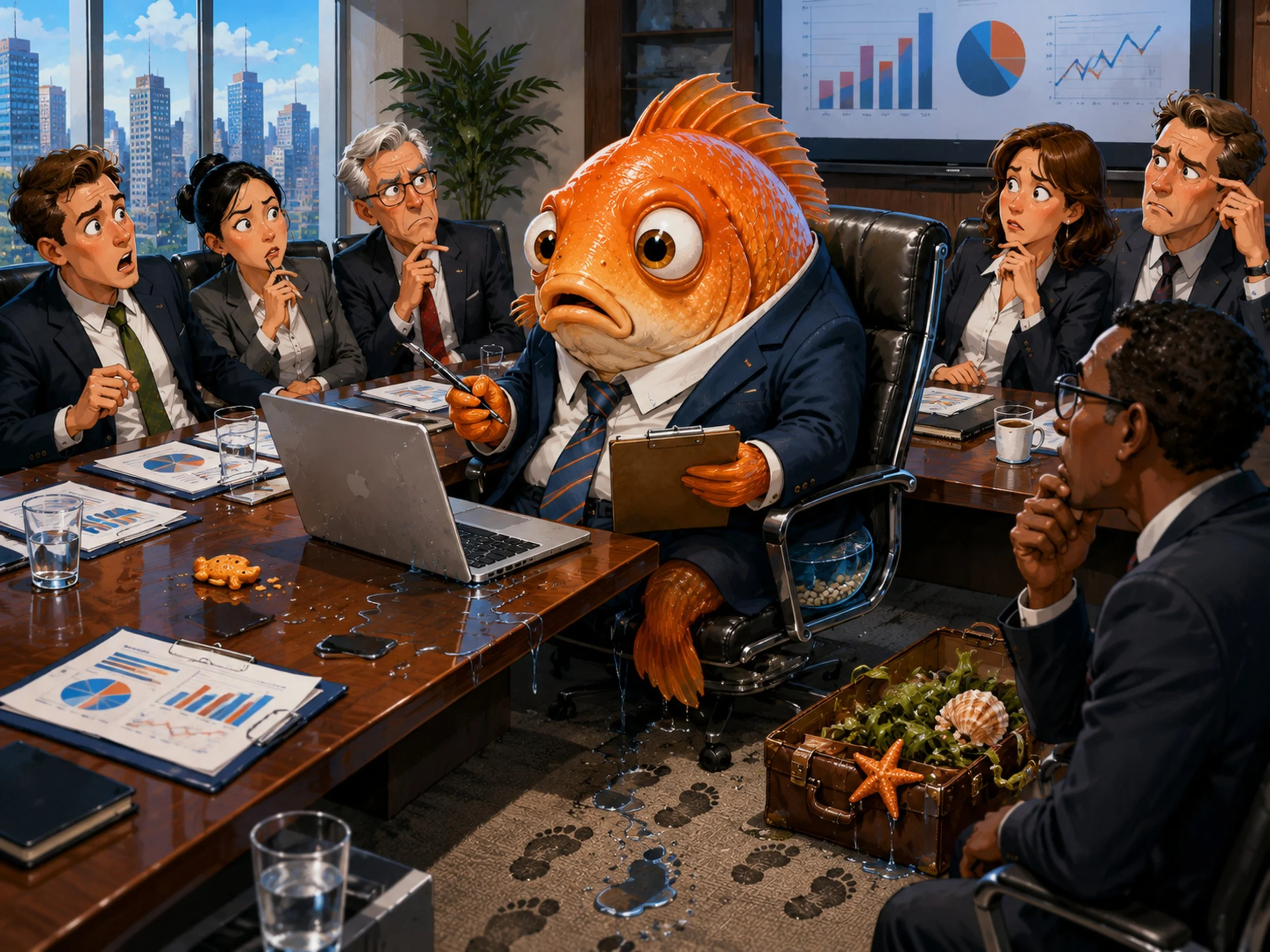
Fish Out of Water
Meaning:
Someone who feels awkward, uncomfortable, or completely out of place.Like a fish attending a board meeting, a cat convention, or a tax seminar.
Origin:
The expression has been swimming around English for hundreds of years, with versions appearing as early as the 1500s. The idea is simple: fish do great in water and terribly almost everywhere else.Modern Translation:
"The software engineer was asked to lead a salsa dancing class."One-line version:
"A fish out of water is what happens when you're qualified for absolutely everything except the situation you're currently in." 🐟😳🏜️
-
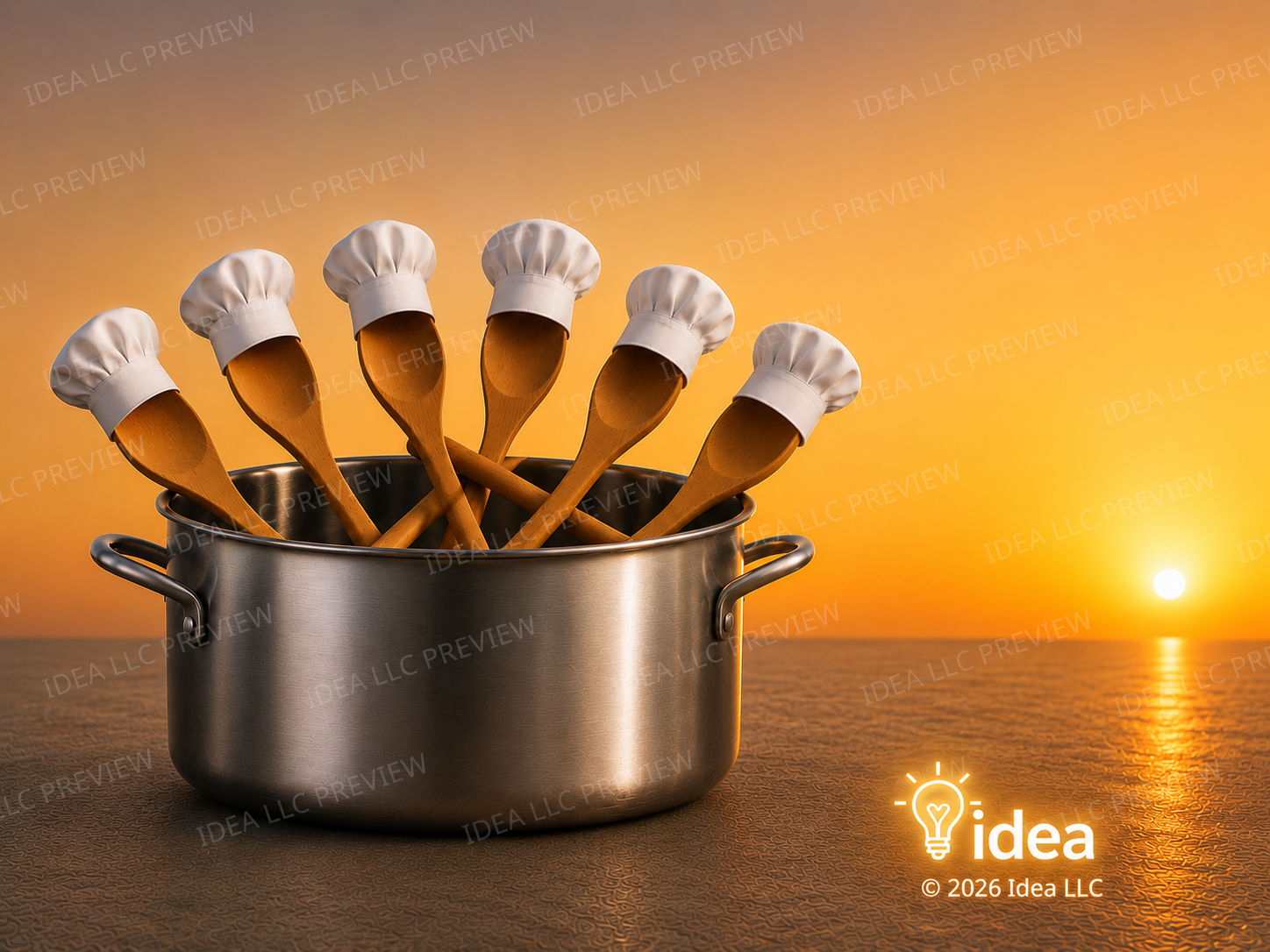
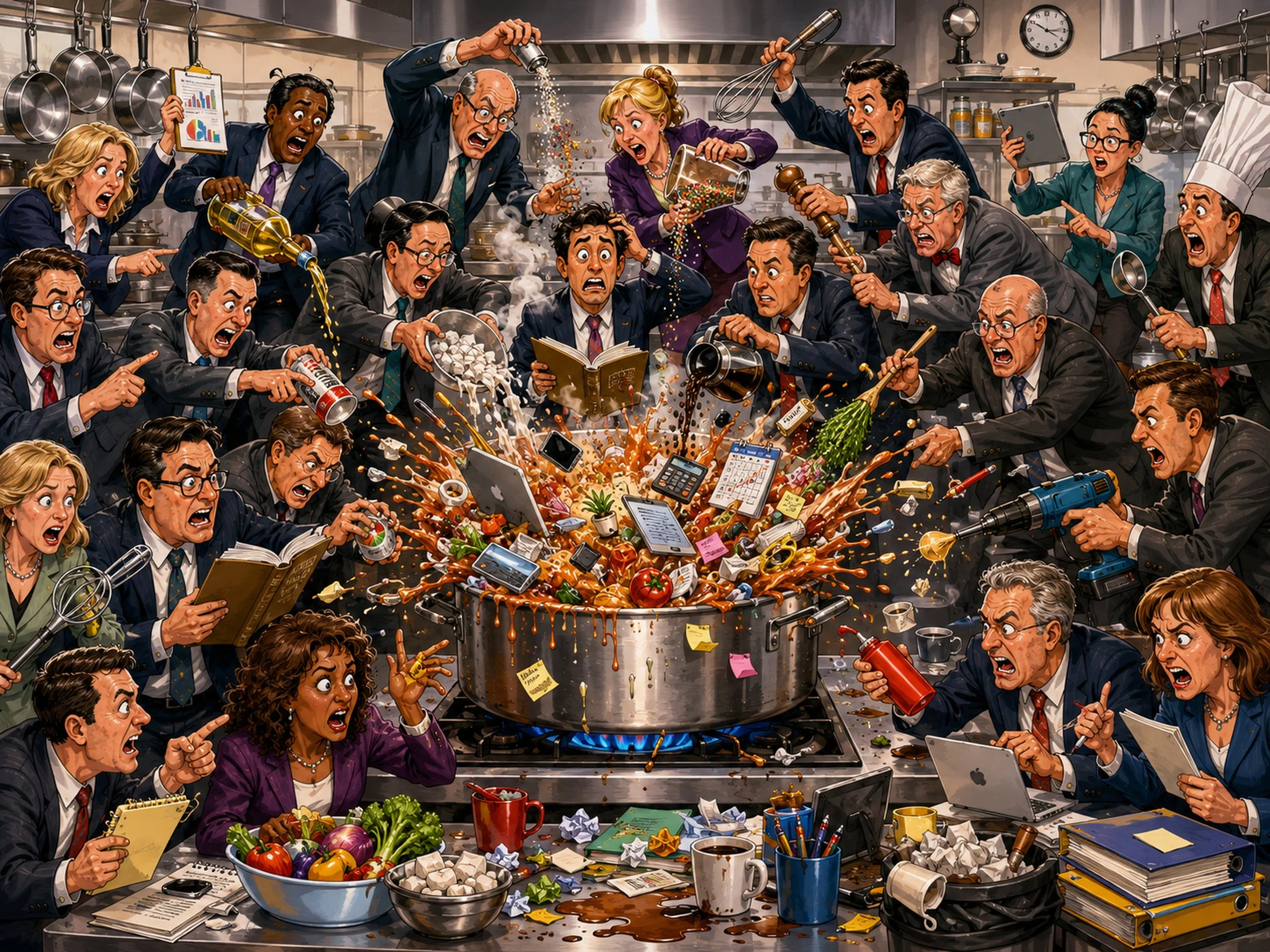
Too Many Cooks in the Kitchen
Meaning:
When too many people try to help, manage, or give advice, the project often turns into a disaster. Everyone thinks they're improving it, but somehow the soup ends up tasting like salt, pepper, and regret.Origin:
The phrase comes from the old proverb:"Too many cooks spoil the broth."
It dates back to the 1500s and was inspired by the timeless human tradition of standing around a pot and insisting, "You know what this needs?"
Modern Translation:
A committee of twelve people creates what one competent person could have finished before lunch.One-line version:
"When everyone is in charge, nobody is in charge—and the soup is ruined." -
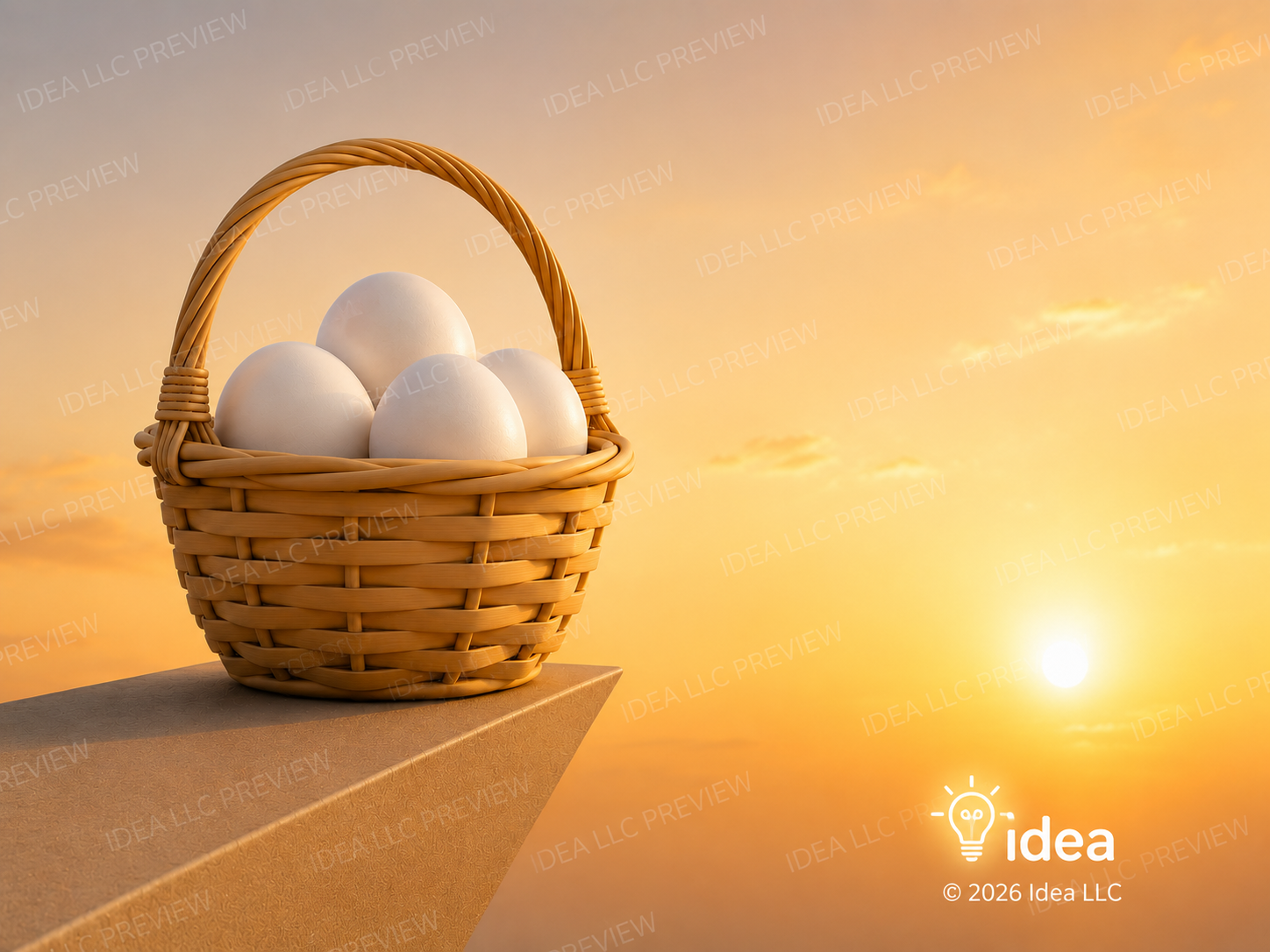
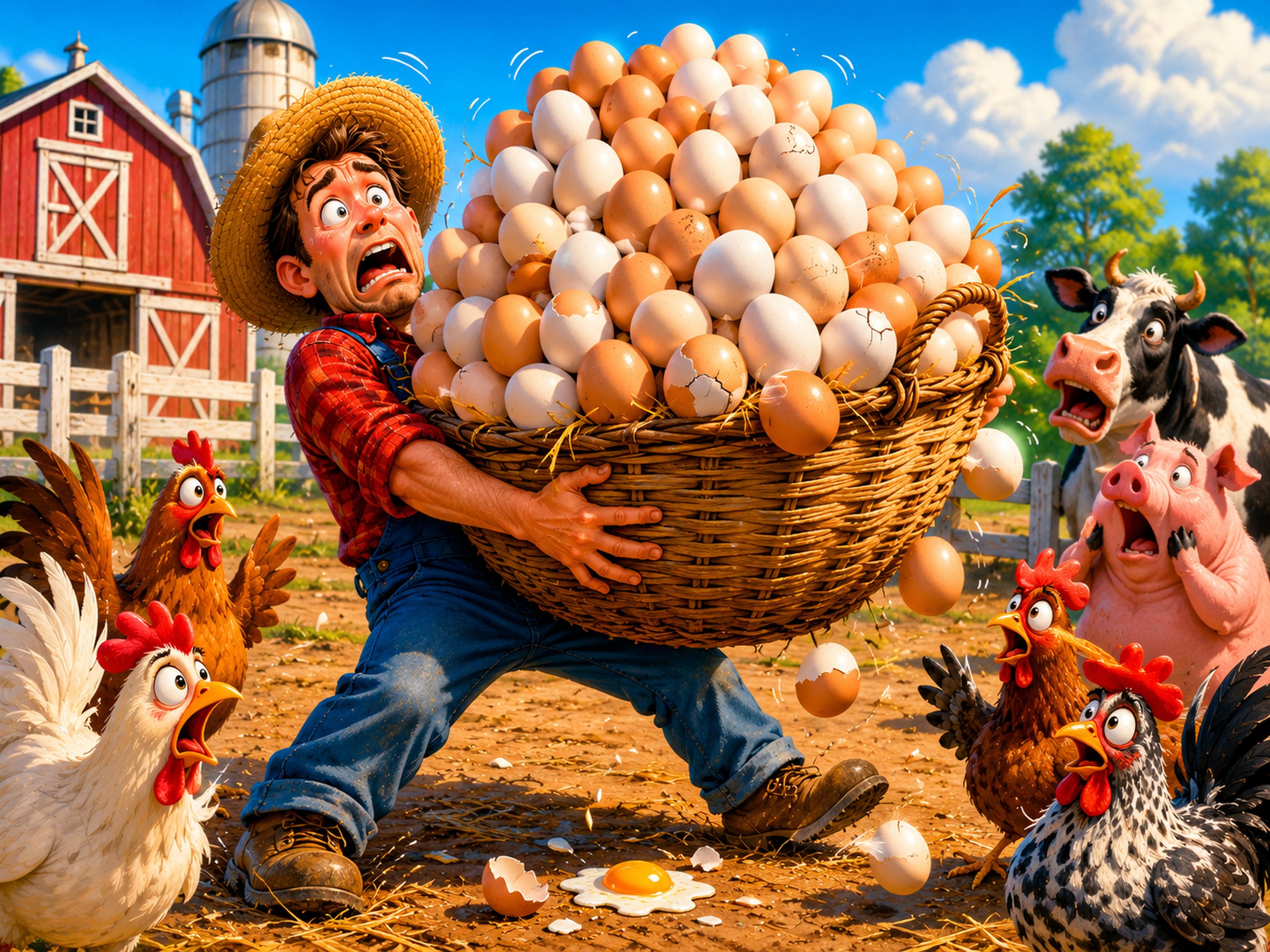
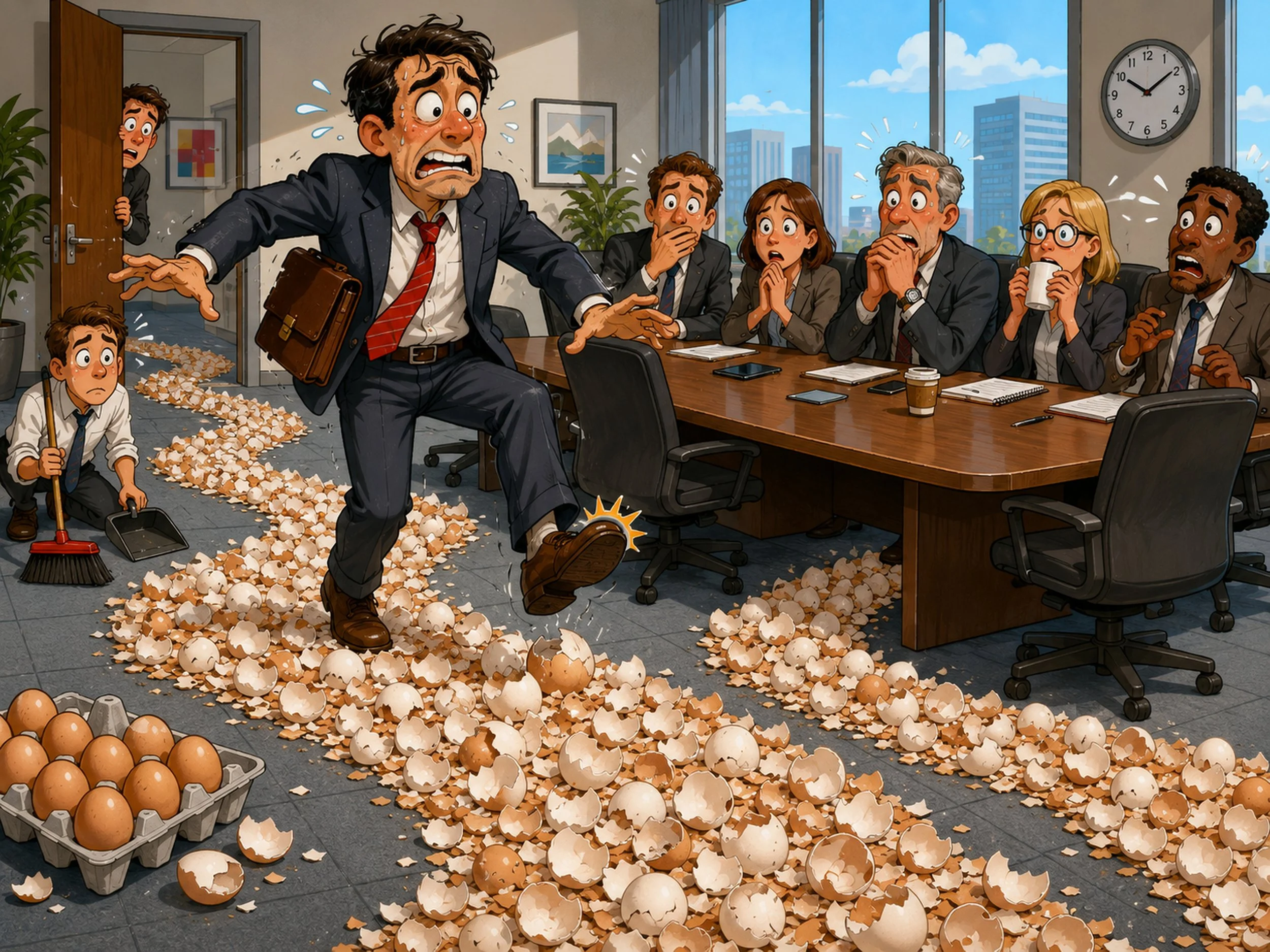
Put All Your Eggs in One Basket
Meaning:
Don't risk everything on a single plan, investment, job, or idea. If the basket drops... breakfast is canceled.Origin:
The saying dates back centuries and was popularized in English by Miguel de Cervantes in the early 1600s. The logic is simple: if all your eggs are in one basket and you drop it, you lose all your eggs.Modern Translation:
"I invested my savings, retirement fund, emergency fund, and lunch money into one cryptocurrency."One-line version:
"Putting all your eggs in one basket is a great strategy—right up until gravity joins the meeting." -
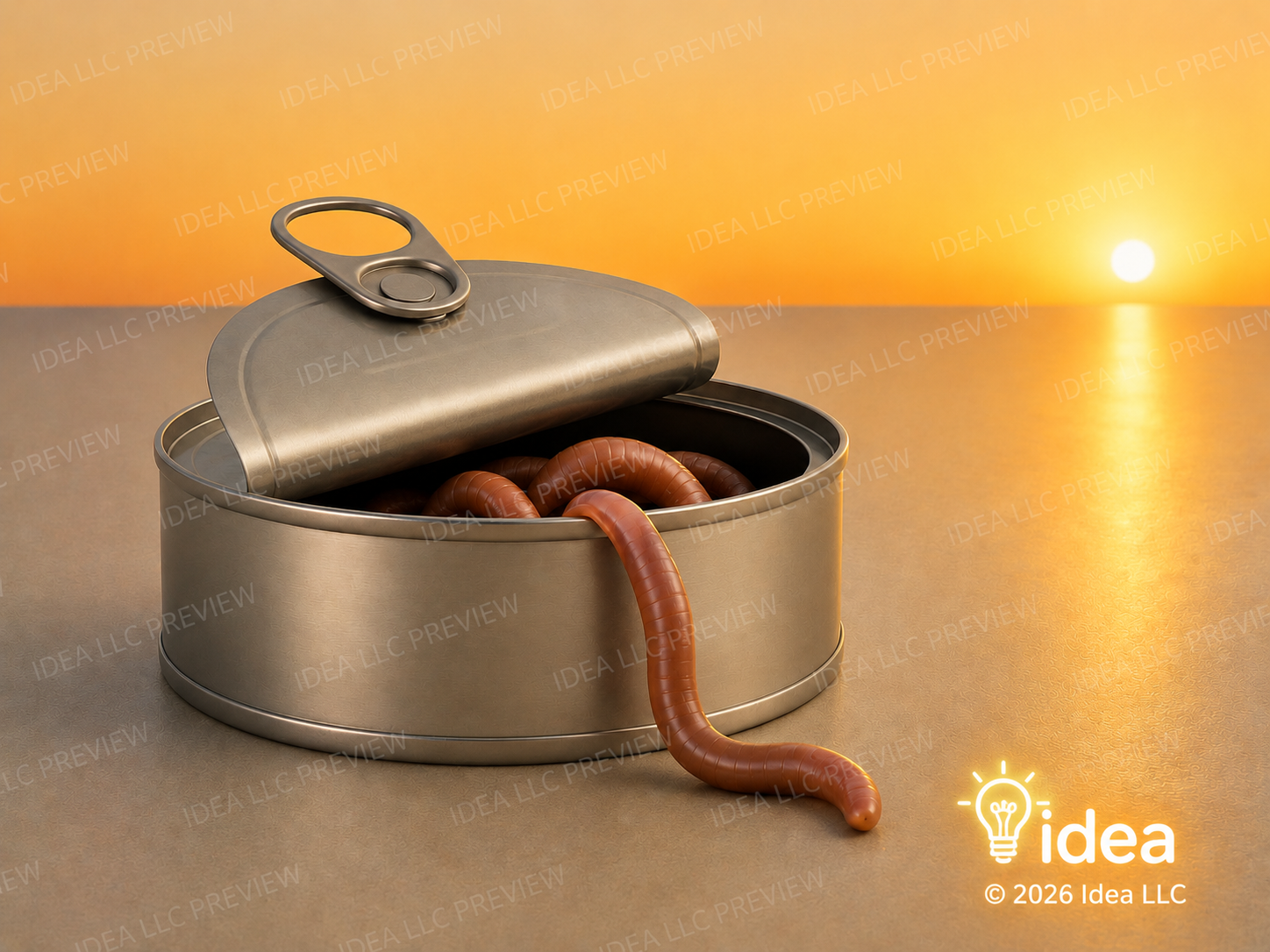
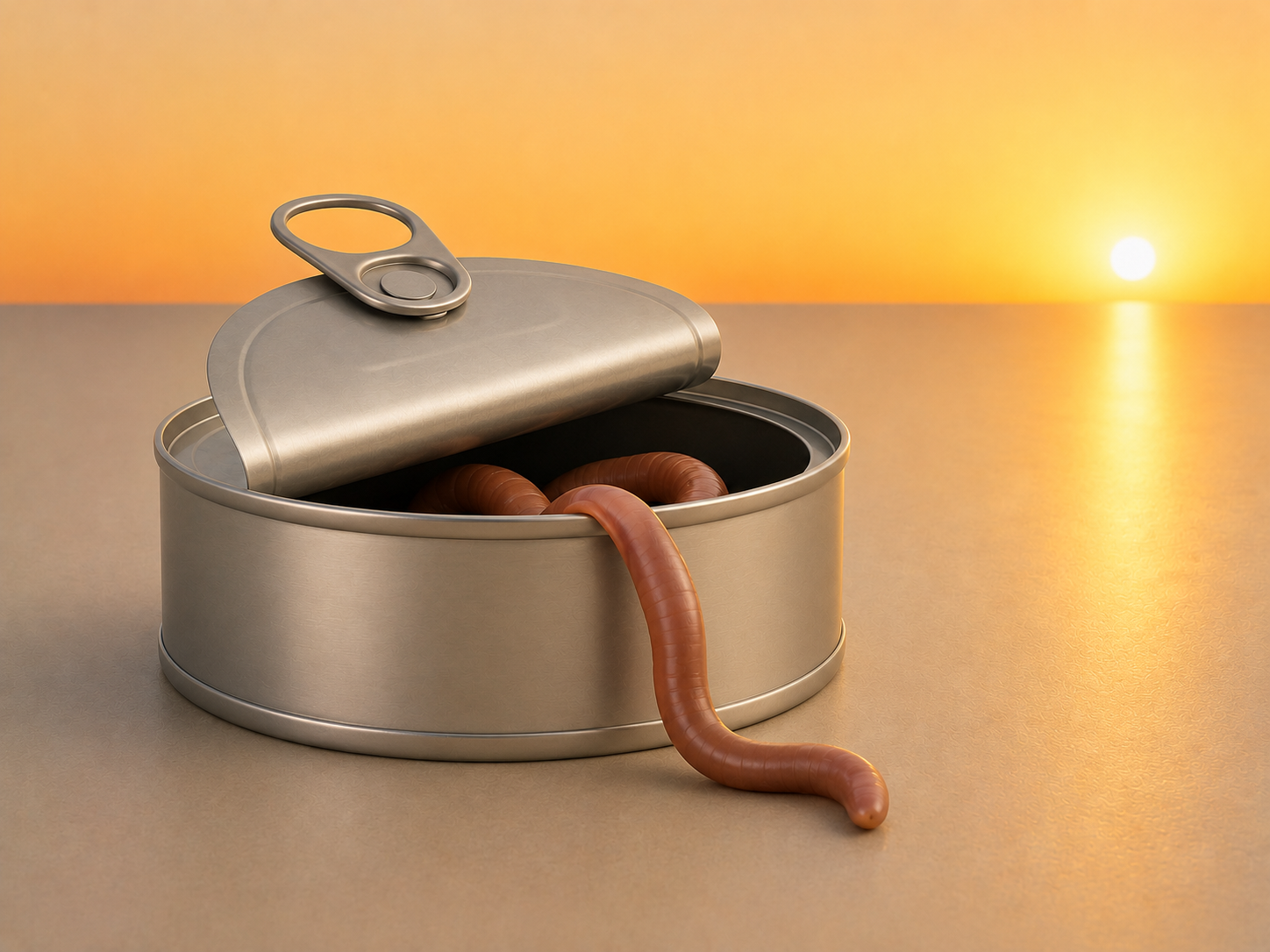
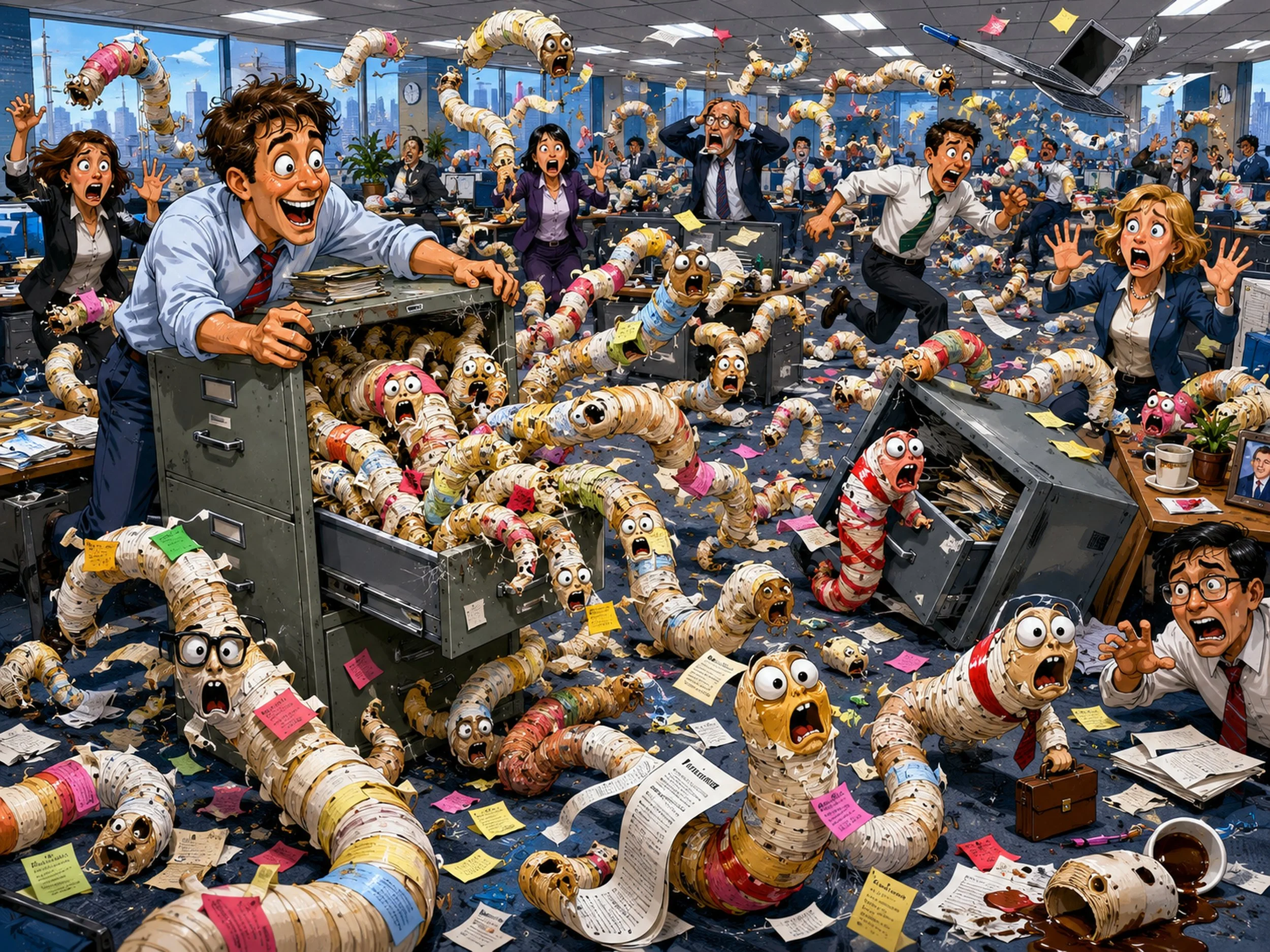
Opening a Can of Worms
Meaning:
Starting something that seems simple but quickly turns into a messy, complicated problem you'd rather not deal with.Basically:
"I asked one innocent question and now we're on hour three of the argument."
Origin:
The phrase became popular in the early 1900s and likely comes from fishing. Anglers often carried live bait in worm cans. Open the can carelessly and suddenly you had worms escaping everywhere and a problem that got bigger by the second.Modern Translation:
"Let's look at the office budget."Three minutes later:
Finance is fighting Marketing.
Marketing is fighting Sales.
Sales is fighting Reality.
One-line version:
"Opening a can of worms is the adult version of saying, 'What's the worst that could happen?'
An idiom is what happens when English gets bored with saying things normally.
-

Let the Cat Out of the Bag
Meaning:
To accidentally reveal a secret that was supposed to stay hidden.Usually followed by:
"Oops."
Origin:
The phrase dates back to the 1700s and may come from old market scams where dishonest sellers supposedly swapped a valuable piglet for a worthless cat in a sack. Once the bag was opened and the cat jumped out, the fraud was exposed.Whether that story is completely true is debated, but the idiom stuck.
Modern Translation:
"We were planning a surprise birthday party until Steve asked, 'So what time should everyone arrive for your surprise party?'One-line version:
"Letting the cat out of the bag is what happens when your mouth hits 'Send' before your brain finishes loading."
-
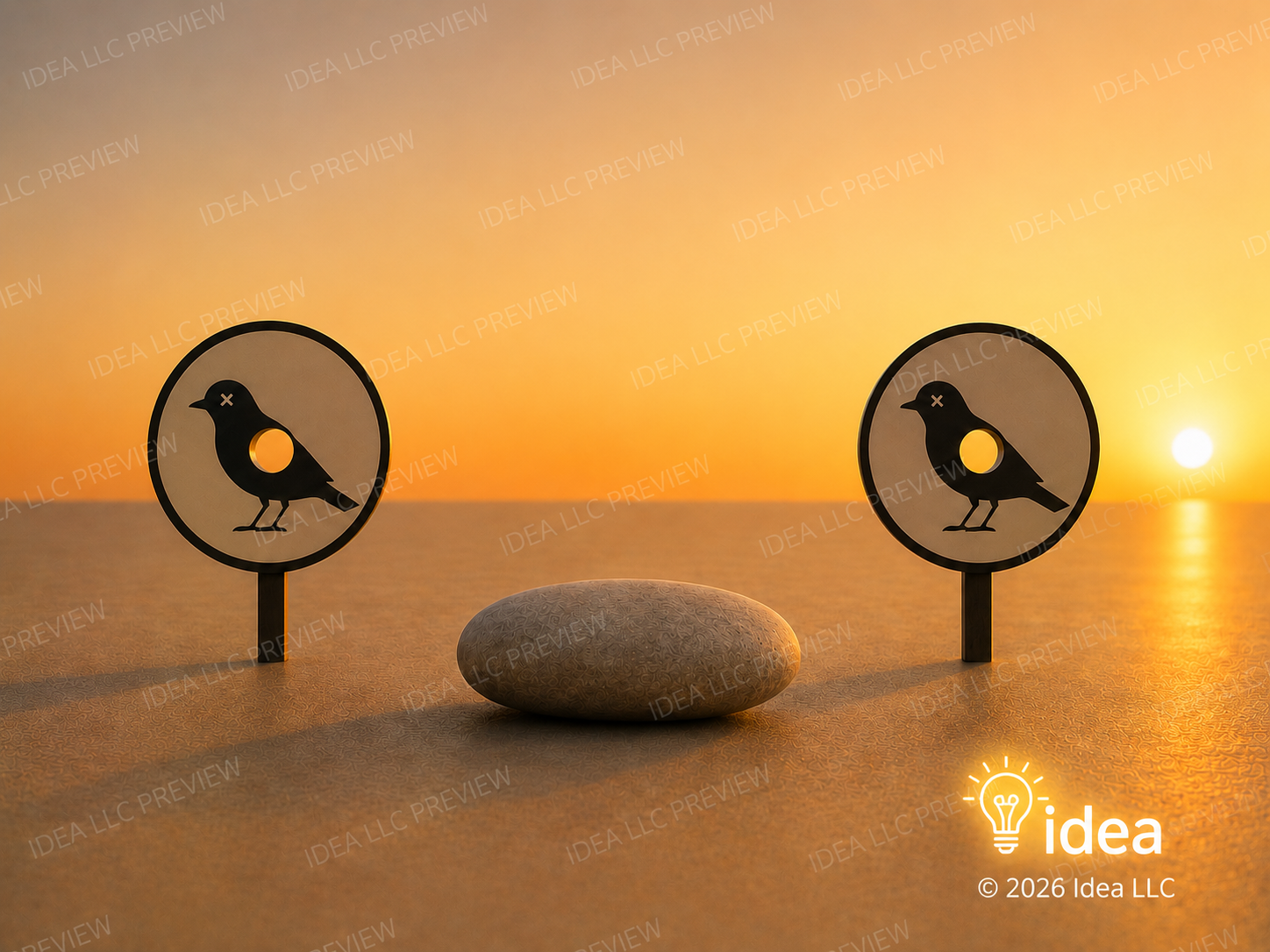
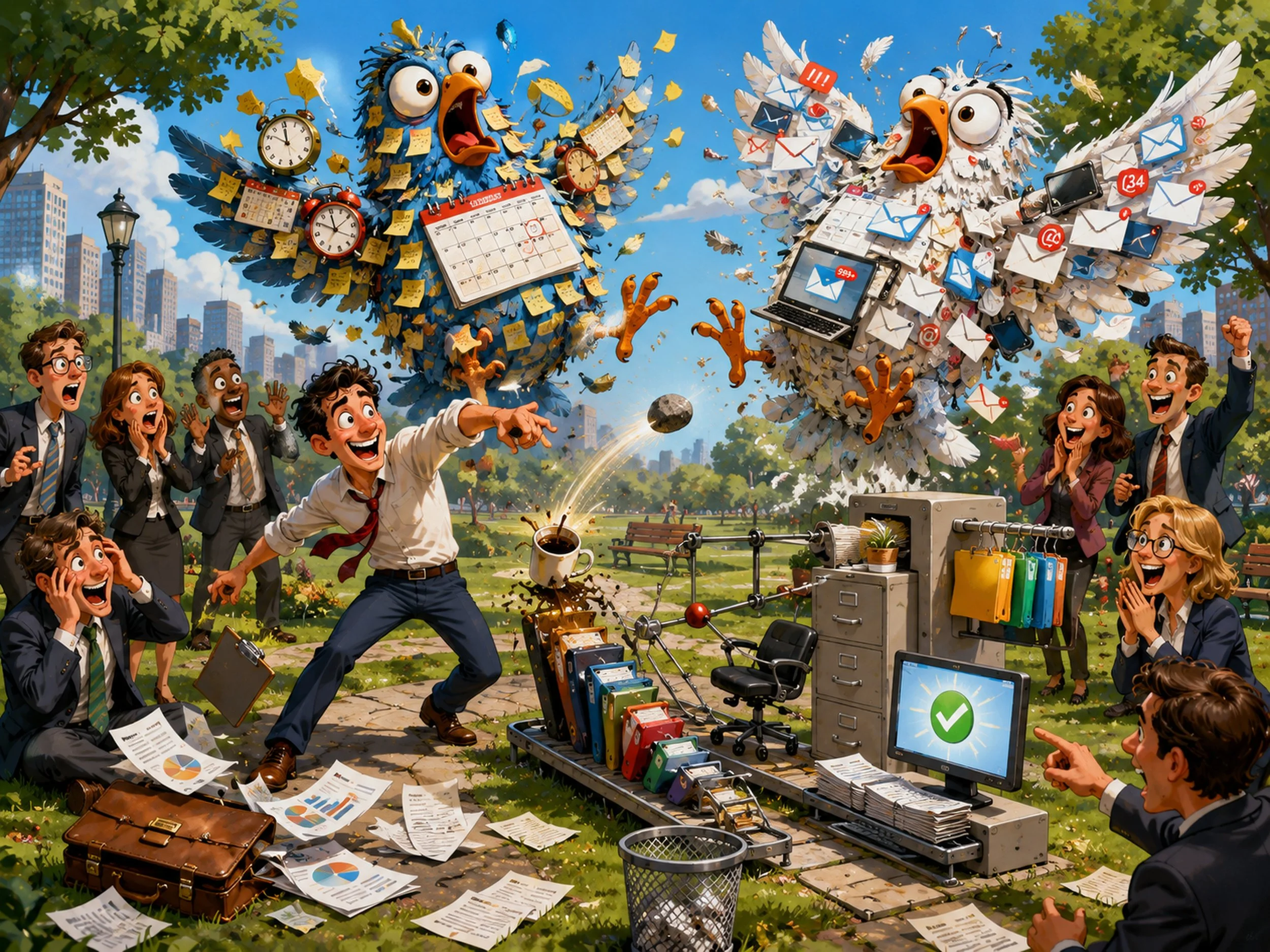
Kill Two Birds with One Stone
Meaning:
To accomplish two goals with one action.For example:
"I walked the dog and got my daily exercise."
Congratulations! You just killed two birds with one stone.
Origin:
The phrase dates back hundreds of years and appeared in English literature as early as the 1600s. The idea comes from the unlikely feat of hitting two birds with a single thrown stone, a symbol of maximum efficiency.Modern Translation:
"I attended the meeting while pretending to pay attention and eating lunch."One-line version:
"Why create two problems when one solution can disappoint everyone at once?"
-
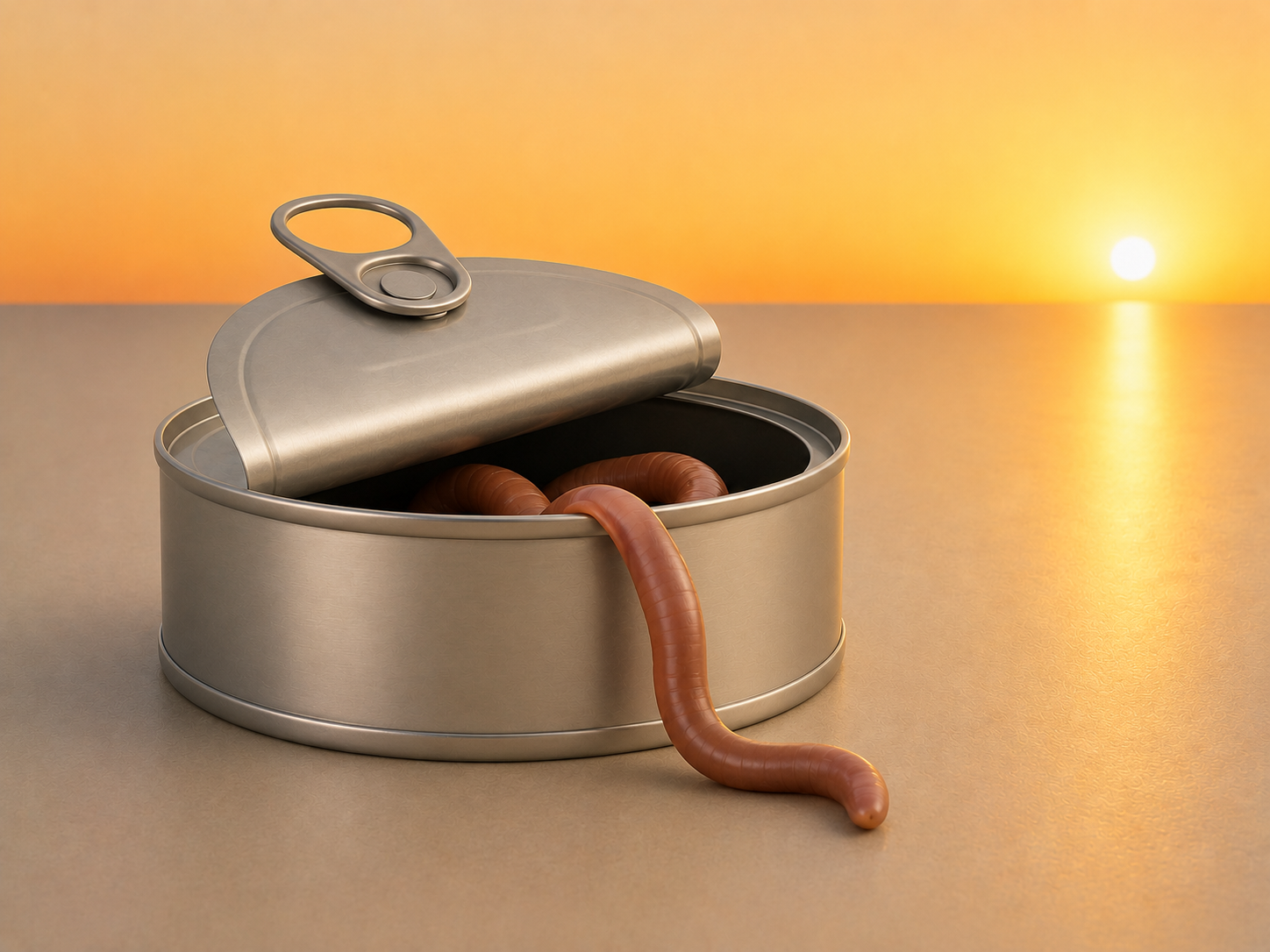
Opening a Can of Worms
Meaning:
Starting something that seems simple but quickly turns into a messy, complicated problem you'd rather not deal with.Basically:
"I asked one innocent question and now we're on hour three of the argument."
Origin:
The phrase became popular in the early 1900s and likely comes from fishing. Anglers often carried live bait in worm cans. Open the can carelessly and suddenly you had worms escaping everywhere and a problem that got bigger by the second.Modern Translation:
"Let's look at the office budget."Three minutes later:
Finance is fighting Marketing.
Marketing is fighting Sales.
Sales is fighting Reality.
One-line version:
"Opening a can of worms is the adult version of saying, 'What's the worst that could happen?'