Bad Cards for Everyone

〰️

Bad Cards for Everyone 〰️

Idea logo the letter I in the logo is replaced with a light bulb icon and the word 'idea' in yellow letters on a black background. We specialize in digital graphics greeting cards idioms and more.

What We Offer: Bad Service

  • ETSY

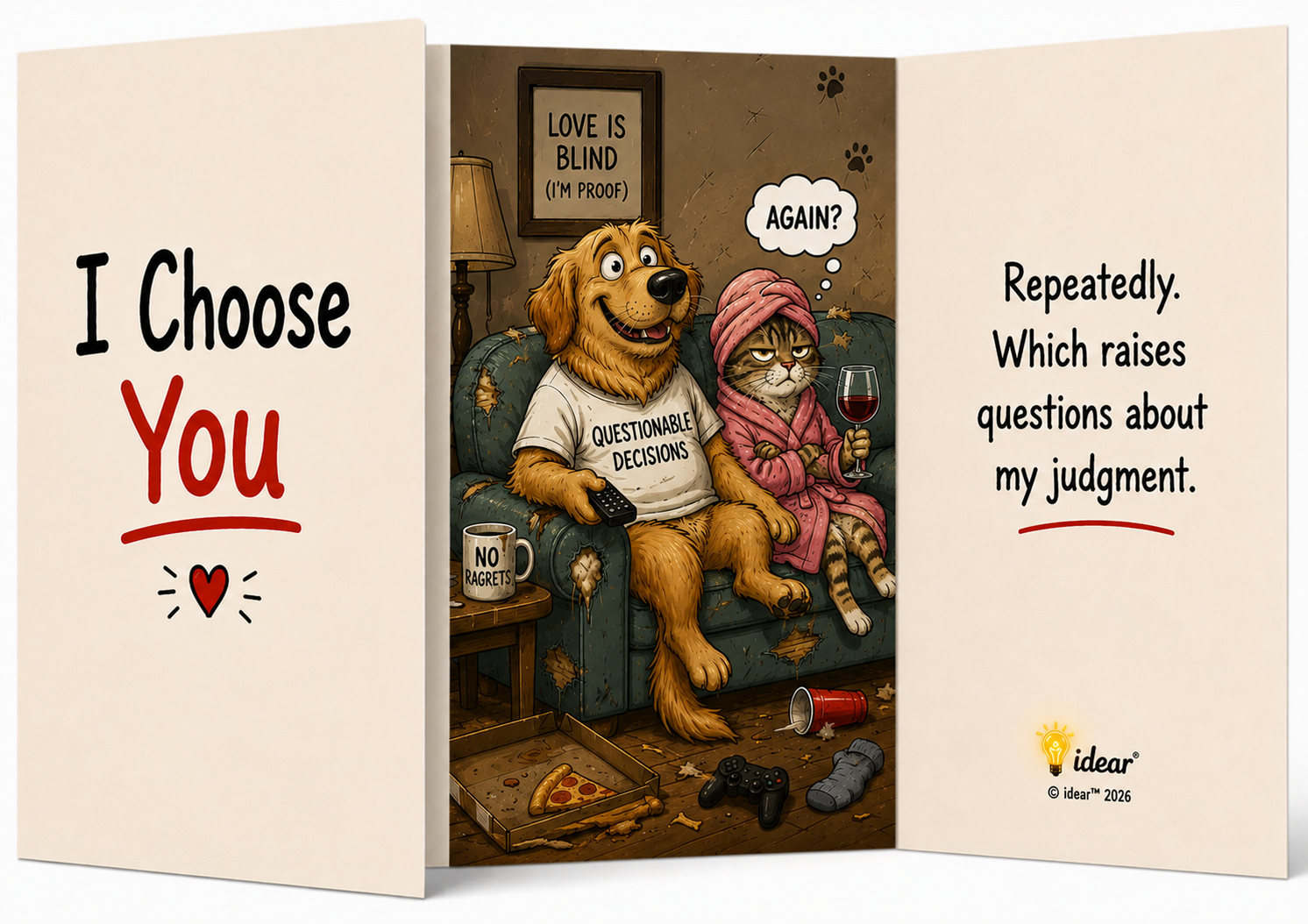
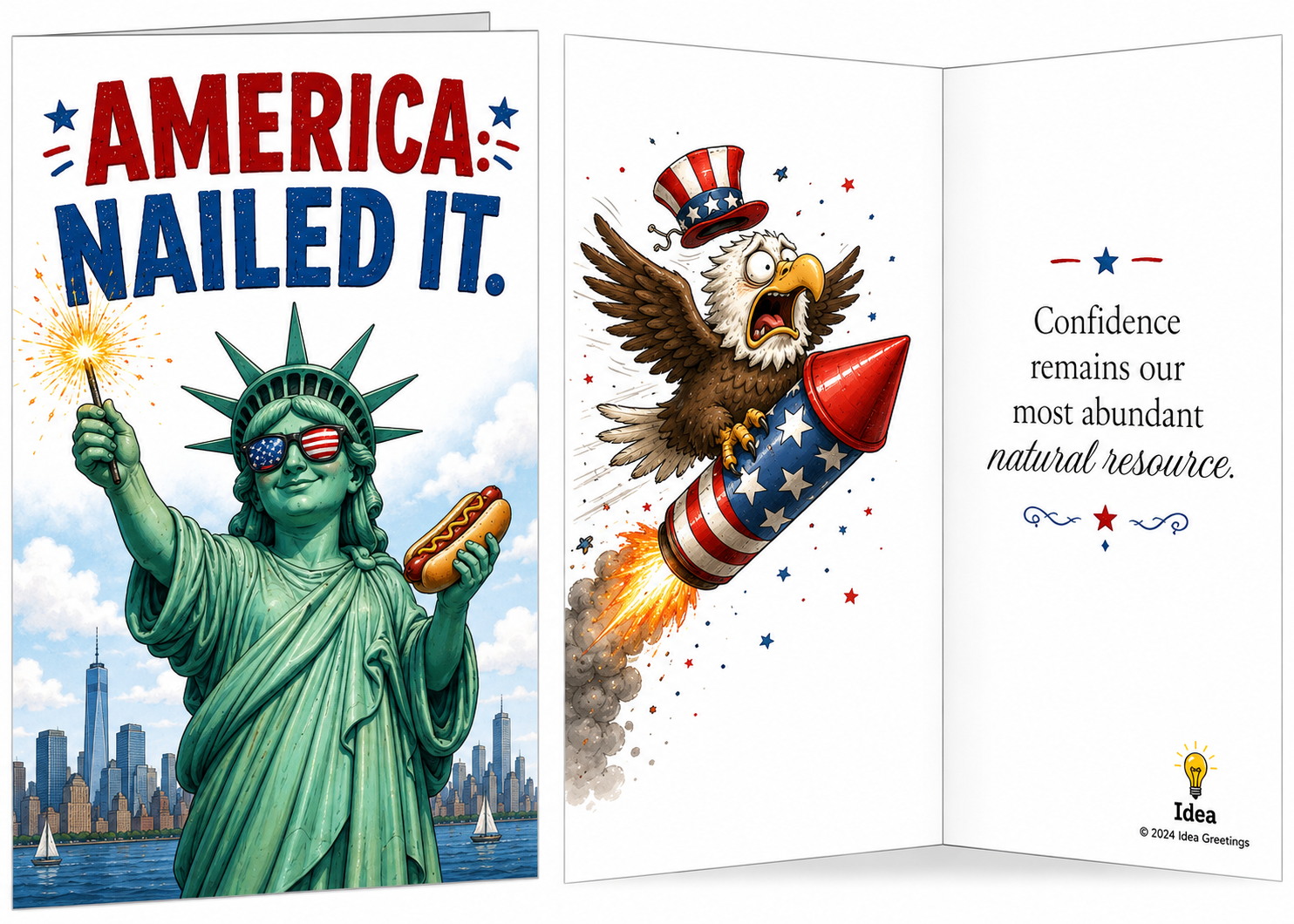
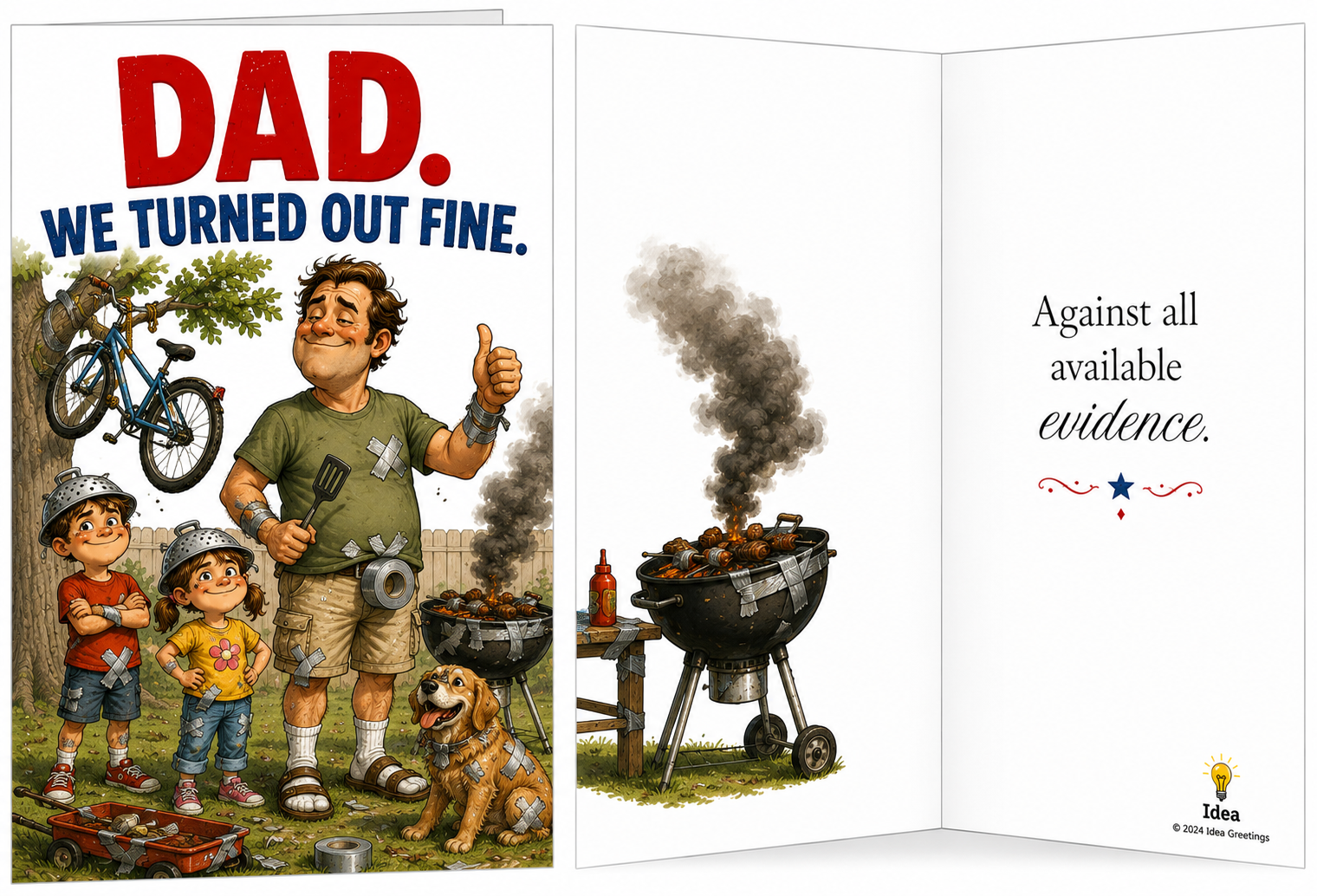
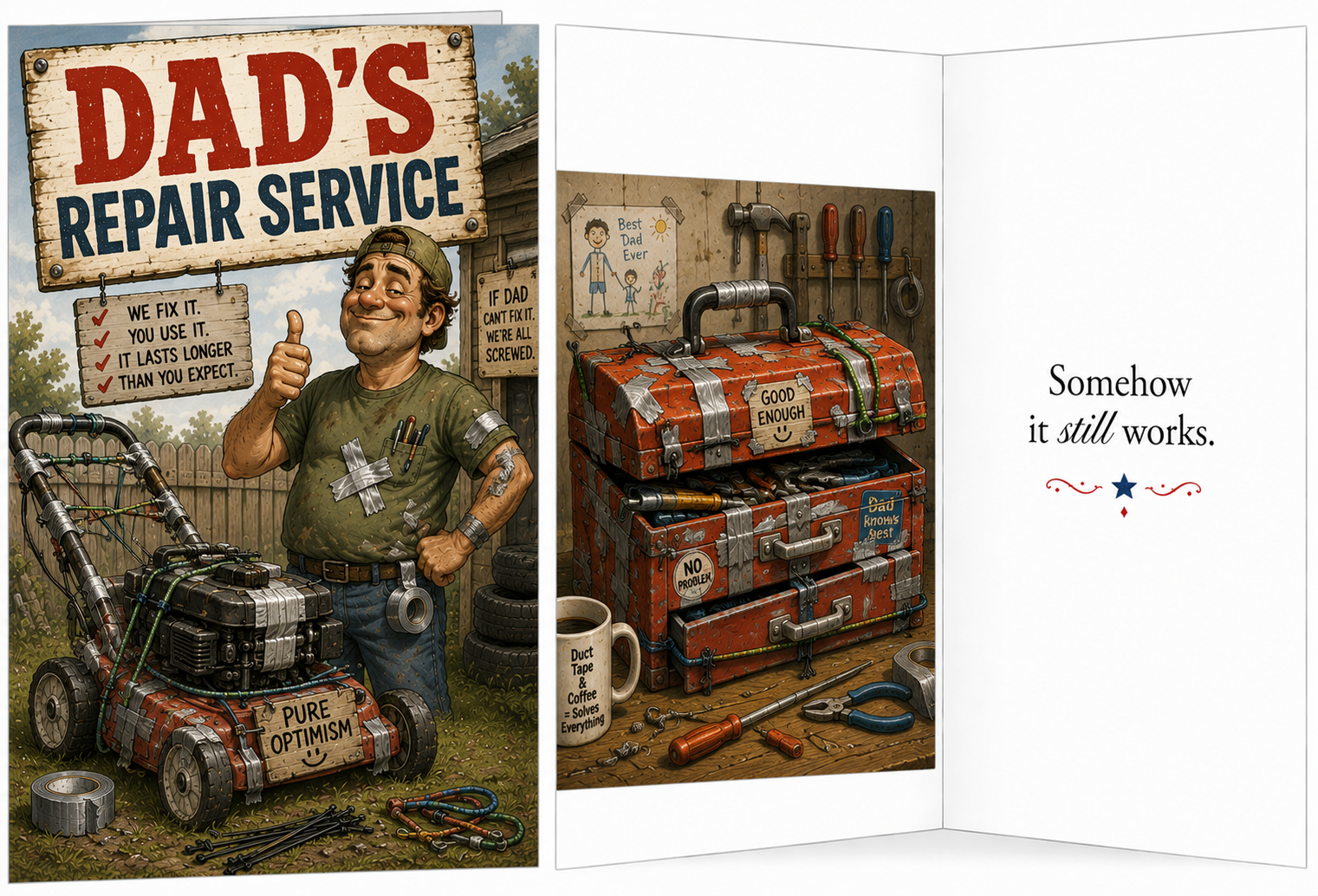
    Find bad cards for every occasion.

  • IDIOMS

    A collection of visual idioms proving that language is weird, logic is optional, and somehow we're all okay with that.

  • High Desert Games

    High Desert Games as an educational technology company that makes learning fun through interactive apps and games.

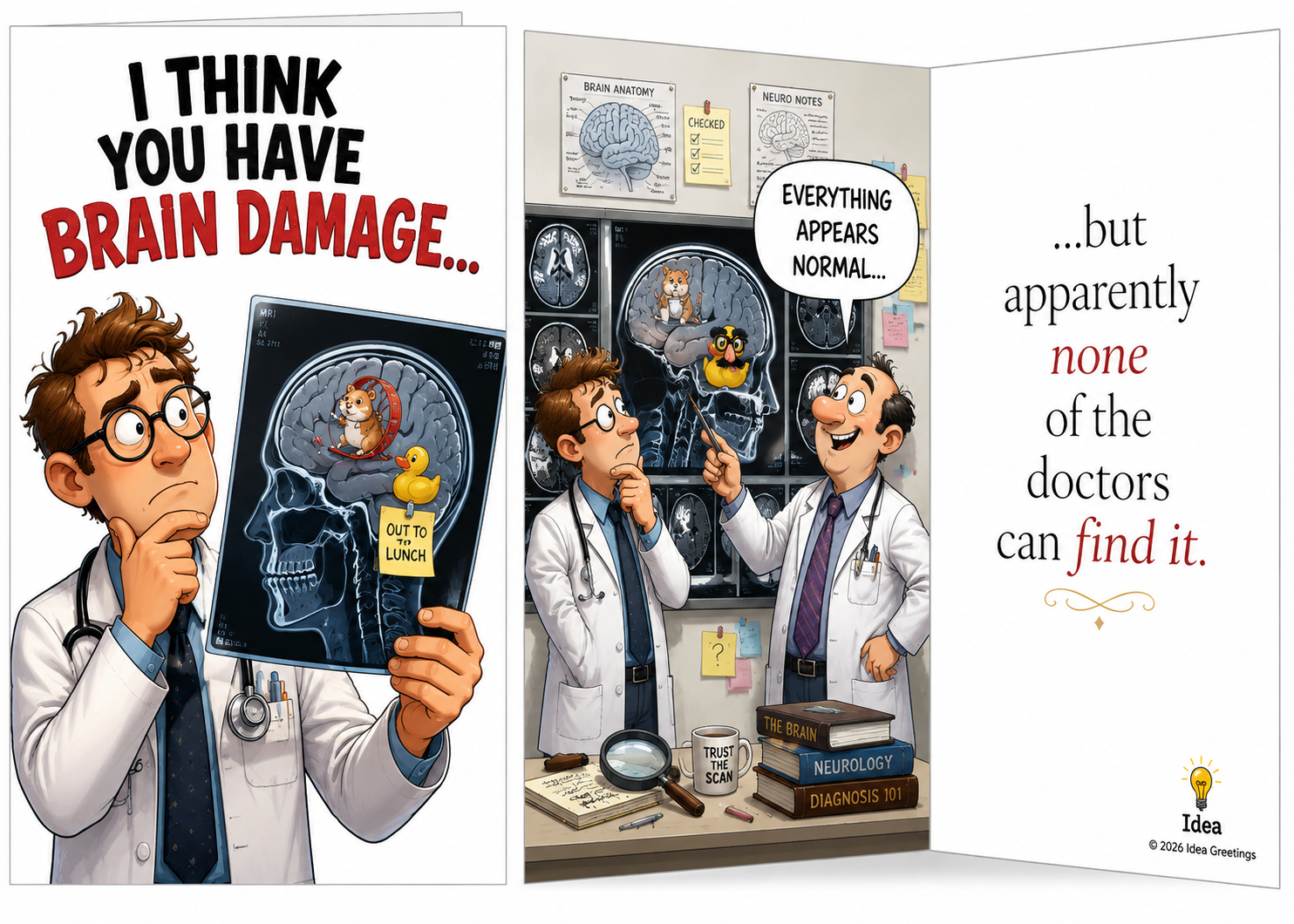
A Card That Keeps People Looking

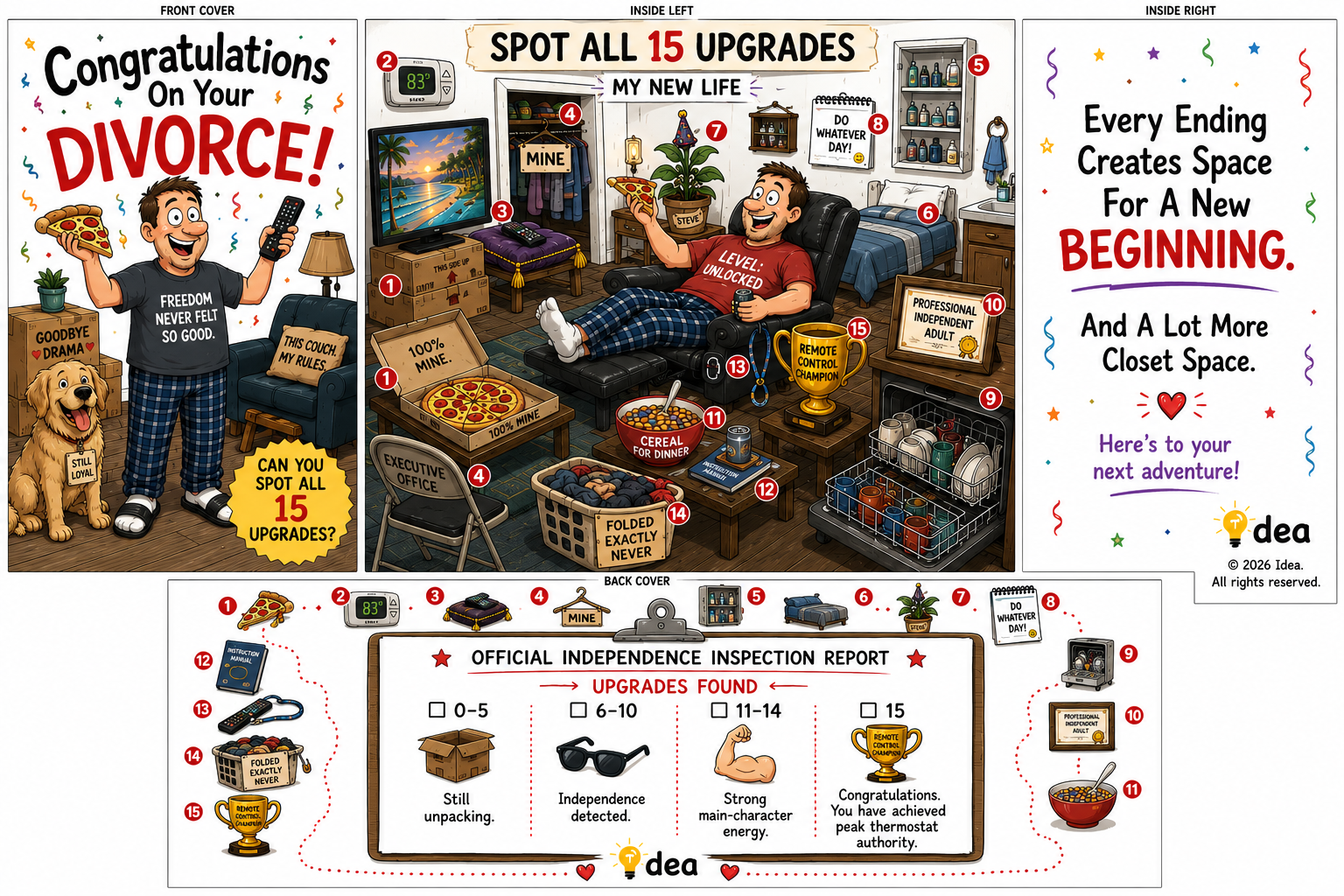
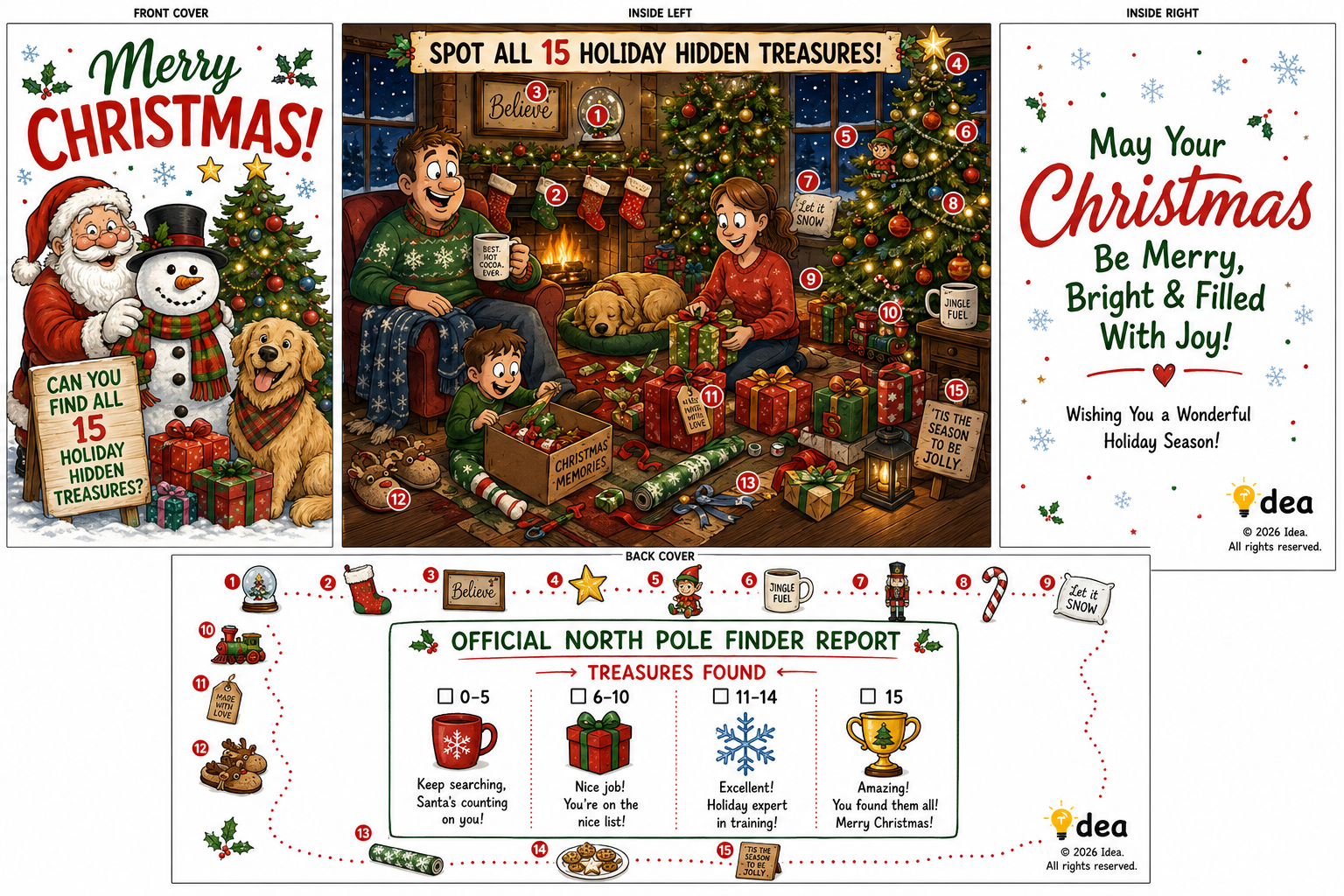
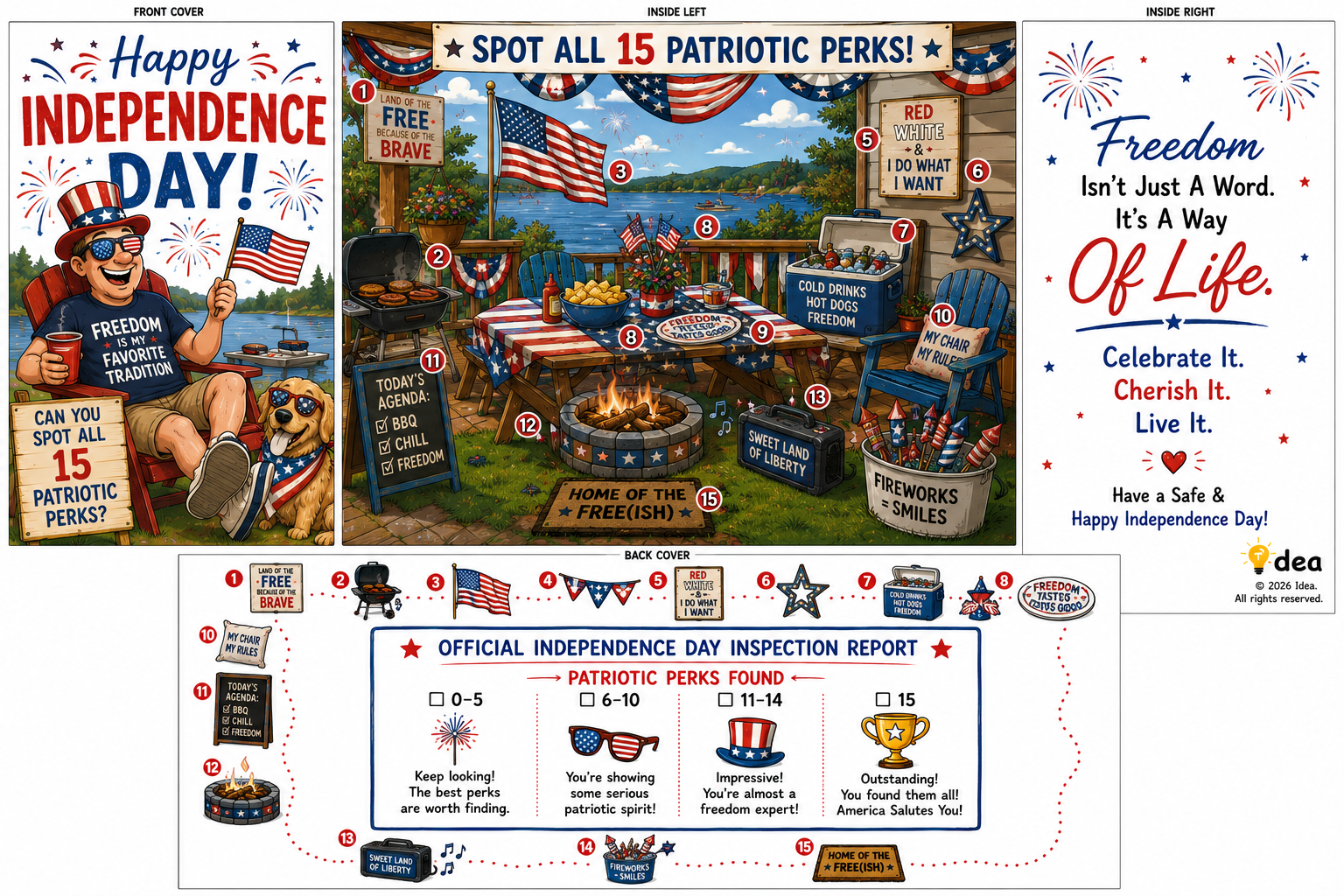
Every design contains:

🔍 Hidden objects

🎯 Spot-the-difference challenges

🎁 Visual Easter eggs

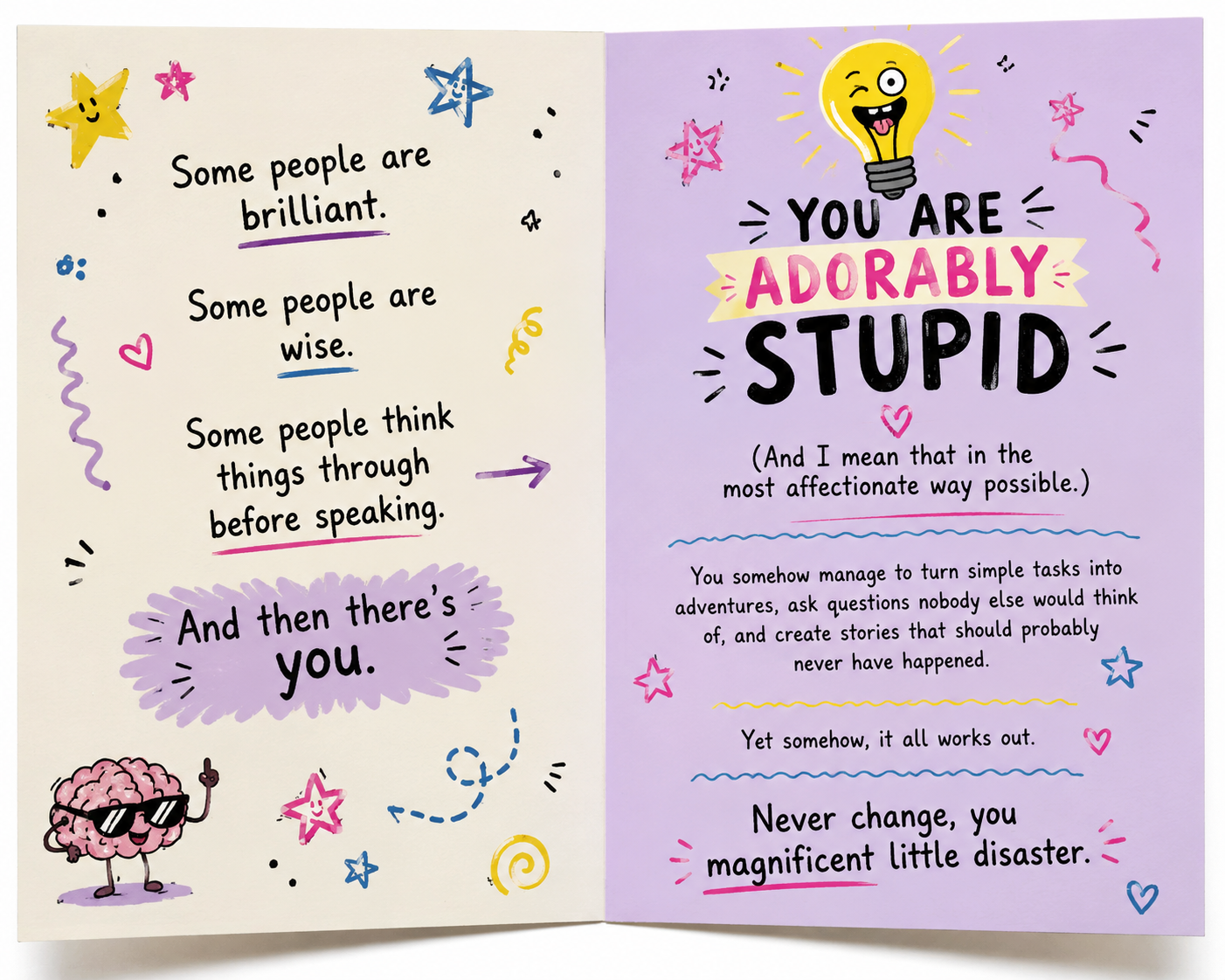
😂 Unexpected jokes

🏆 Fun scorecards and achievement reports

The fun doesn't stop after opening the card.

Friends, family members, and coworkers often pass the card around to see who can find everything.

"The best cards aren't just read. They're played."
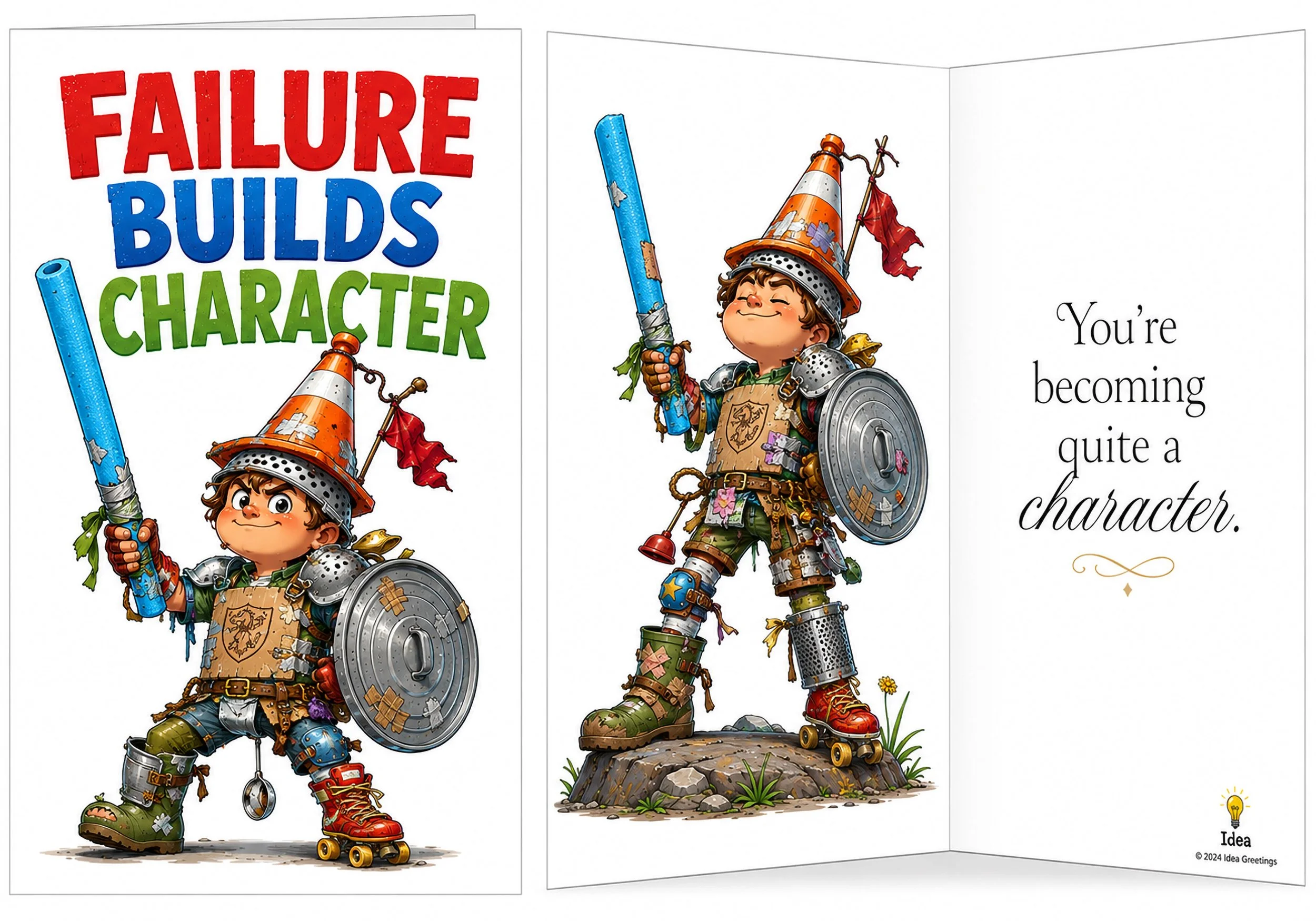
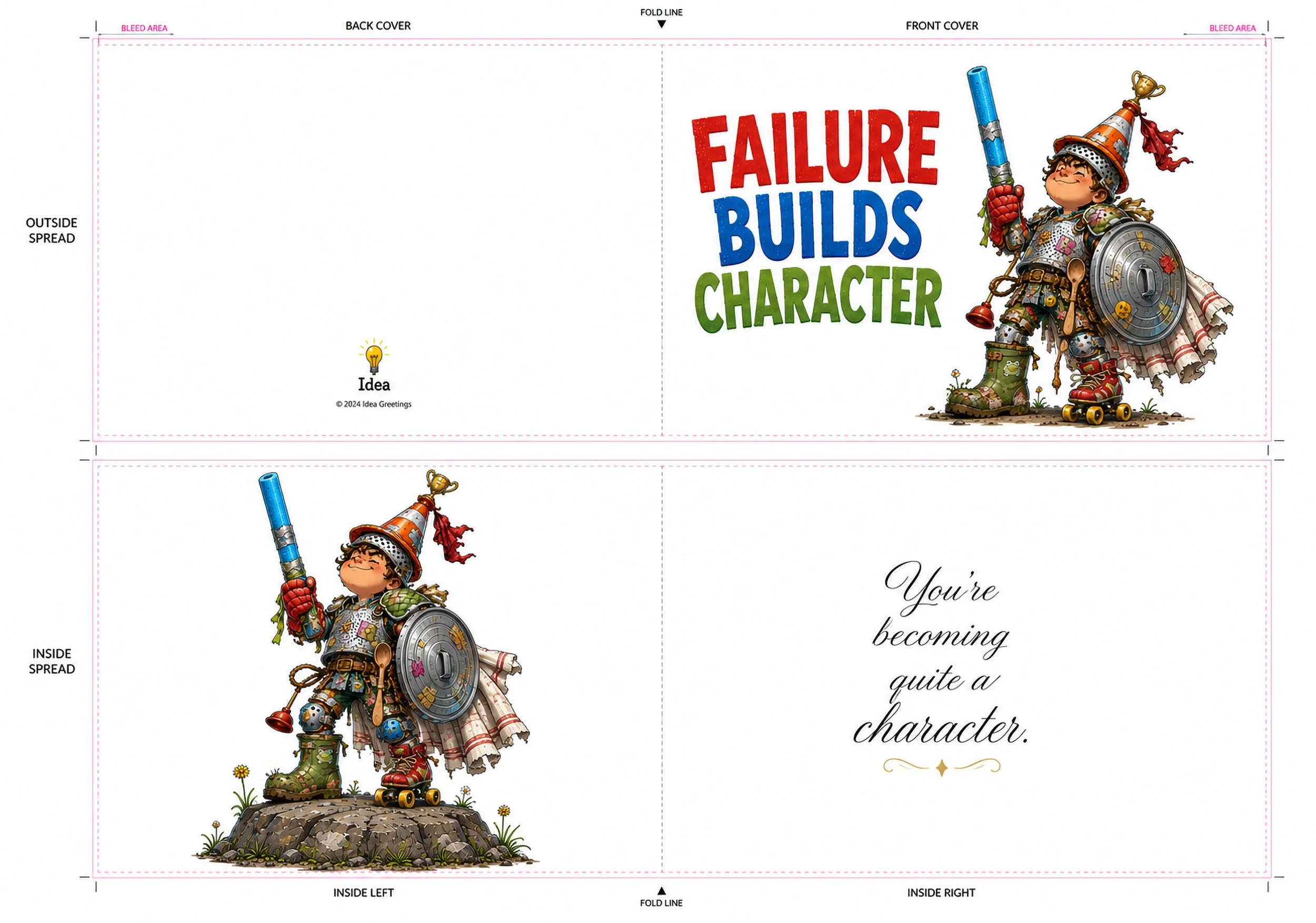
A colorful graphic with the words 'Failure Builds Character' and an illustration of a young boy dressed as a knight with armor, a shield, a trumpet, and roller skates, standing on a wooden log.

“Their attention to detail was impressively absent, and their dedication to doing things incorrectly is genuinely hard to ignore.

We would recommend them to others, but we respect those others too much.”

– Former Customer


Get In Touch

Need a whole bunch of cards?

Fill out the form with a few details about your order, and we'll see how we can help.

We'll review your request and get back to you within 48 hours—probably faster, unless we're busy being creatively irresponsible.

The first mistake humanity made was assuming that life was supposed to make sense. This was an understandable error. The universe contains a surprising number of things that look intentional from a distance. Planets orbit neatly. Trees grow upward. Ducks generally know what they're doing. Unfortunately, this appearance of order is largely cosmetic. The average human spends approximately eighty years attempting to organize reality into a filing cabinet that reality has never agreed to occupy. Entire careers are built around creating spreadsheets for events that are, in essence, several monkeys fighting over a shopping cart on a rotating rock hurtling through an indifferent void. People often speak of "finding themselves," as though they were a misplaced set of keys. In practice, this usually involves buying a backpack, traveling somewhere with poor plumbing, and returning with opinions about coffee. Money is particularly fascinating. Humanity collectively decided that small pieces of paper represented value, then replaced the paper with numbers on screens, and now becomes anxious when those invisible numbers move slightly in unexpected directions. Economists describe this system using words. This does not appear to improve matters. The universe, meanwhile, remains completely unbothered. Stars explode. Galaxies collide. Black holes consume entire regions of spacetime. Yet somehow the most emotionally significant event in an average person's week is an email that begins with, "Just following up..." There are creatures capable of navigating thousands of miles using Earth's magnetic field. Humans, by contrast, can become hopelessly lost in a parking lot despite arriving there fifteen minutes earlier. Civilization itself is mostly a collection of mutually accepted misunderstandings. We stand in lines because everyone agrees standing in a line is normal. We attend meetings to discuss future meetings. We wear decorative strips of fabric around our necks to indicate seriousness. No one remembers exactly how this started, but questioning it makes people uncomfortable. The truly remarkable thing is not that life is absurd. The remarkable thing is that people continue treating it as though a grand explanation is just around the corner. As if one day a giant cosmic filing cabinet will slide open and reveal a folder labeled: "WHAT ALL THAT WAS ABOUT." Inside will be a single sheet of paper reading: "Honestly, it seemed like a good idea at the time." That captures some of Douglas Adams' style—cosmic scale, bureaucratic nonsense, dry observations, and the feeling that the universe is simultaneously ridiculous and oddly charming.

〰️

The first mistake humanity made was assuming that life was supposed to make sense. This was an understandable error. The universe contains a surprising number of things that look intentional from a distance. Planets orbit neatly. Trees grow upward. Ducks generally know what they're doing. Unfortunately, this appearance of order is largely cosmetic. The average human spends approximately eighty years attempting to organize reality into a filing cabinet that reality has never agreed to occupy. Entire careers are built around creating spreadsheets for events that are, in essence, several monkeys fighting over a shopping cart on a rotating rock hurtling through an indifferent void. People often speak of "finding themselves," as though they were a misplaced set of keys. In practice, this usually involves buying a backpack, traveling somewhere with poor plumbing, and returning with opinions about coffee. Money is particularly fascinating. Humanity collectively decided that small pieces of paper represented value, then replaced the paper with numbers on screens, and now becomes anxious when those invisible numbers move slightly in unexpected directions. Economists describe this system using words. This does not appear to improve matters. The universe, meanwhile, remains completely unbothered. Stars explode. Galaxies collide. Black holes consume entire regions of spacetime. Yet somehow the most emotionally significant event in an average person's week is an email that begins with, "Just following up..." There are creatures capable of navigating thousands of miles using Earth's magnetic field. Humans, by contrast, can become hopelessly lost in a parking lot despite arriving there fifteen minutes earlier. Civilization itself is mostly a collection of mutually accepted misunderstandings. We stand in lines because everyone agrees standing in a line is normal. We attend meetings to discuss future meetings. We wear decorative strips of fabric around our necks to indicate seriousness. No one remembers exactly how this started, but questioning it makes people uncomfortable. The truly remarkable thing is not that life is absurd. The remarkable thing is that people continue treating it as though a grand explanation is just around the corner. As if one day a giant cosmic filing cabinet will slide open and reveal a folder labeled: "WHAT ALL THAT WAS ABOUT." Inside will be a single sheet of paper reading: "Honestly, it seemed like a good idea at the time." That captures some of Douglas Adams' style—cosmic scale, bureaucratic nonsense, dry observations, and the feeling that the universe is simultaneously ridiculous and oddly charming. 〰️